Stories

Resonance of Choice: Using Art and Stories to Shift Conversations on Abortion Care
Conversations about abortion care are often shaped by stigma, silence, and long-held beliefs. In Nigeria, where an estimated 1.6 million abortions occur each year and abortion contributes significantly to maternal deaths, stigma can make it difficult for women and...
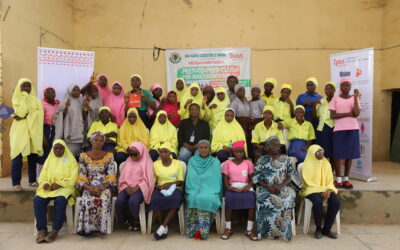
How Sexual and Reproductive Health and Rights Education Is Helping Girls with Disabilities Stay in School
For many adolescent girls in Nigeria, sexual and reproductive health information remains hidden, treated as taboo, and rarely discussed. Adolescent girls living with disabilities face even greater exclusion from access to this information, and conversations about...
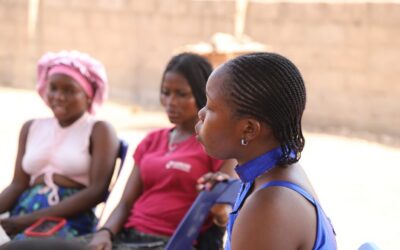
How better knowledge on sexual and reproductive health is helping women and girls make informed choices
Sunen Keziah during a peer-to-peer session in Benue StateWhen these barriers persist, women and girls may be left with limited options, some of which can have serious consequences for their health, potential, and futures. Through the Improving Reproductive Autonomy...

Breaking the Silence: Ending Abortion Stigma through the Media
In Nigeria, conversations about safe abortion are filtered through culture and often shrouded in secrecy. This allows powerful institutions, including the media, to reinforce stigma by framing lifesaving care, such as safe abortion, according to prevailing cultural...
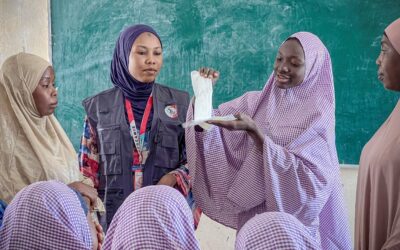
How menstrual health education is helping girls stay in school in Borno State
School demonstration on the use of pads during the rapid response club session in school. Photo @Ezekiel Sunday/ZECGWIS ‘…Whenever I was on my period, I used to stay at home and not come to school. I did this to avoid stigma and other problems. I felt it was better to...

How Engaging Men in Northern Nigeria is Transforming Reproductive Justice, Power, and Choices
Reproductive justice is not just about having health services available. It also means women and girls can reach care in time, use it with dignity, and make choices without coercion, shame, or fear. In many communities, everyday life is shaped by gender expectations,...
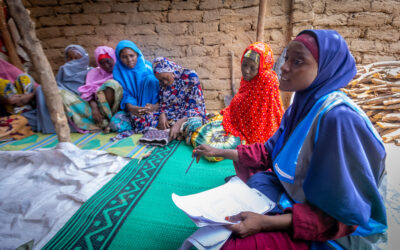
Strengthening Communities to Support Adolescent Girls’ Sexual Health Choices
Adolescent girl’s ability to make choices for their health goes beyond their knowledge of sexual and reproductive health alone. It involves ongoing dialogue and engagement with multiple power holders in patriarchal societies where entrenched social norms limit women’s...
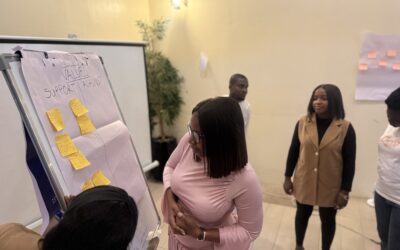
Ending Stigma at Scale: Ipas Builds The Capacity of Stakeholders on the Values Clarification for Action and Transformation
Addressing community norms related to sexual and reproductive health in Nigeria presents multifaceted challenges due to religious, moral, and cultural constraints. Additionally, longstanding information surrounding abortion and contraception care has perpetuated...

Engaging Religious and Traditional Leaders to Break Stigma in Sexual and Reproductive Health and Rights
In Nigeria, societal stigma—reinforced by powerful institutions such as religion and tradition—continues to limit access to sexual and reproductive health services. Religious and traditional leaders play an outsized role in shaping community beliefs and the...
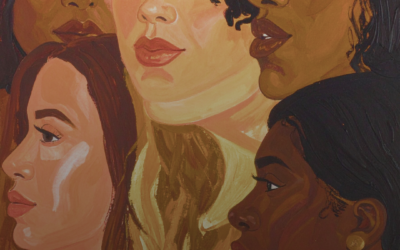
Call for Submissions: The Resonance of Choice (Art for Reproductive Justice)
Are you a creative storyteller who believes in reproductive justice for all? Whether through activism, art, organizing, or personal experience, do you believe in storytelling as a force for sparking hope and sustaining movements for change? The Ipas Nigeria Health...
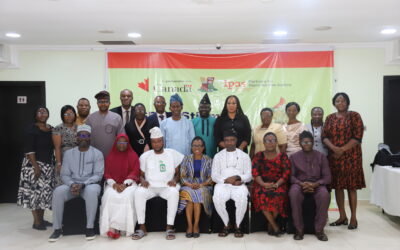
Stigma Ends Here: Ipas Nigeria multi-sector approach to reducing abortion stigma
Dr. Oluwaserimi Adewumi Ajetunmobi, MBBS, MSc., FWACP, Honourable Commissioner for Health, Ministry of Health, Oyo State giving her remarks during the training session for Government Stakeholders in Oyo State.Stigma around abortion in Nigeria is one of the most...
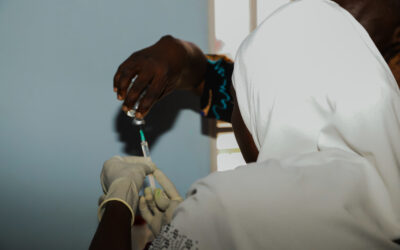
How Ipas Nigeria Is Strengthening Access to Reproductive Justice for all Women and Girls
To enable women's full and effective participation and decision making in public life, Ipas Nigeria Health Foundation has been working for the past 25 years to create a policy environment that ensures women and girls have access to reproductive justice, including...