
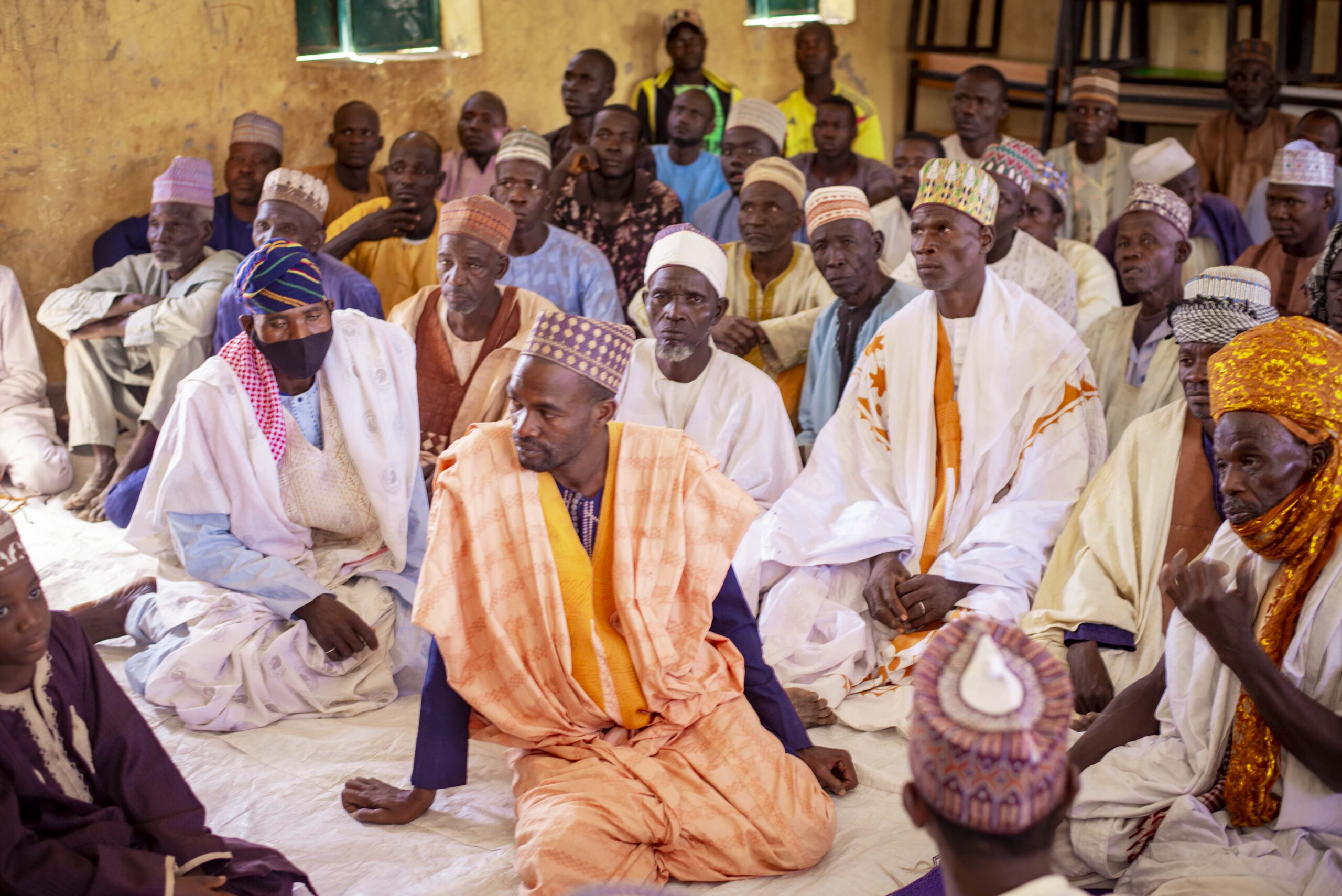
Reproductive justice is not just about having health services available. It also means women and girls can reach care in time, use it with dignity, and make choices without coercion, shame, or fear. In many communities, everyday life is shaped by gender expectations, financial pressure, and belief systems that decide what people can talk about openly and what stays hidden. Because of these forces, decisions about contraception, abortion care, or reporting sexual violence are often constrained. Too often, men’s attitudes and actions, at home, in the community, and even in health facilities, strongly influence whether women get the care they need or are turned away.
Ipas’ experience in Nigeria and globally is clear: while empowering women is critical, sexual and reproductive health programs have often unintentionally asked women and girls to carry the weight of change. They are expected to learn more, negotiate, and endure while the rules and norms around them stay the same. If we do not also work with men, communities, and institutions to shift harmful norms and rebalance power, progress will remain fragile, and it can be rolled back. In northern Nigeria, the need for this kind of shift is urgent. Women and girls face high risks of maternal mortality, unsafe abortion, early and forced marriage, and gender-based violence (GBV).
To shift these harmful gender norms, Ipas Nigeria partnered with Ikra Foundation for Women and Youth Development to implement the project – Engaging Men and Young Adults as Advocates to Improve Sexual and Reproductive Health and Rights (SRHR) Outcomes for Women and Girls Project in Bauchi State. Our assumption was simple: in communities where patriarchal norms are strong, engaging men in support of women’s and girls’ SRHR can improve health outcomes and expand choice (WHO, 2019).
Drawing on the project data, community stories, and outcomes, this piece reflects on what we learned in Bauchi and why it matters for reproductive justice in Nigeria.
Why men matter for reproductive justice
Bauchi State, like many parts of Nigeria, is shaped by patriarchy, religious authority, traditional leadership, and deep stigma around abortion and contraception. The question we asked was simple: What changes when the people who hold decision-making power are invited intentionally and with accountability to become advocates rather than gatekeepers of women’s and girls’ SRHR?
Guided by the Ipas’ safe abortion and contraception care framework, we focused on how community norms and social support shape the services women can access, drawing from our more than a decade of experience supporting communities to change harmful social norms in the country.
During the project design phase, we asked:
- Whose behavior most needs to change to achieve the outcome we want?
- Who do we most need to influence and what specific shifts would make the biggest difference?
- How can we use evidence and data to decide what to prioritize and how to support change?
- What level of sustained change do we need to see before social norms begin to shift?
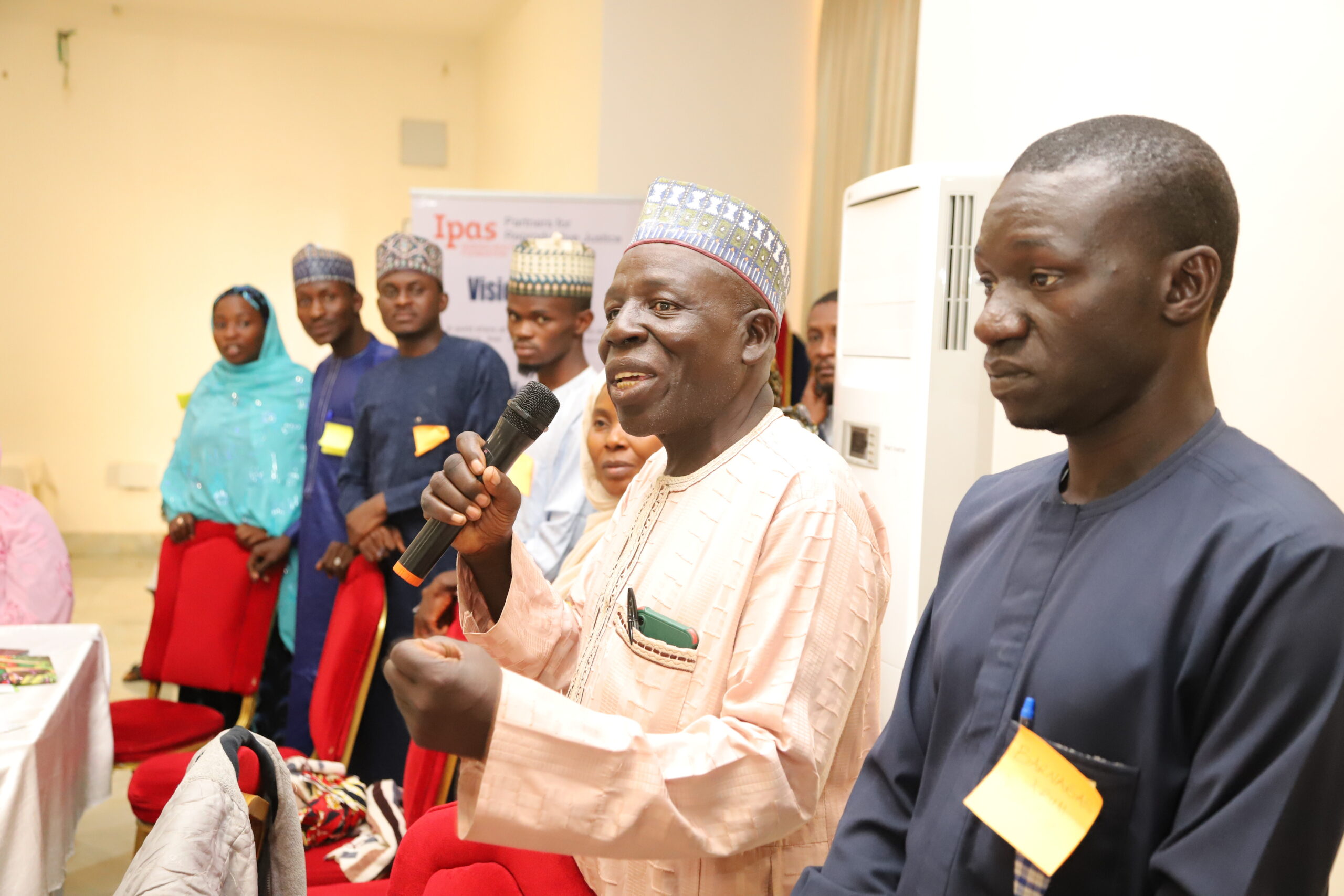
A defining feature of our work in Bauchi State was that we designed it with the community, using a user-centered design approach. A two-day design workshop brought together 28 community stakeholders, comprising men and women, youth, religious leaders, and traditional authorities. Together, stakeholders mapped barriers to contraception and safe abortion care and information; drivers of stigma and silence; power holders and trusted messengers; and opportunities for norm change within religious and social structures within their communities.
From this process 20 community champions were selected and trained, including traditional and religious leaders, married and unmarried men and women, and young men and girls. This mix was intentional. Reproductive justice requires engagement across generations and social roles, especially in places where age, faith, and tradition carry real influence. The champions received accurate SRHR information and practical facilitation skills to lead honest conversations with their peers. Along the way, we learned an important lesson: not everyone resisted SRHR for the same reasons. Many men spoke privately about maternal deaths, unplanned pregnancies, Gender Based Violence, and the costs their families were already paying. What was missing were safe spaces and trusted messengers to discuss these issues openly.
Also, co-creating solutions with the community, the intervention earned local ownership and credibility, which is vital for reproductive justice work in conservative contexts like Bauchi. At the end of the training, pre- and post-assessments showed a 41.3% improvement in knowledge, a meaningful gain in settings where even respected leaders may begin with gaps or misinformation about SRHR.
Peer-to-peer dialogues and religious sermons: changing norms where they are made
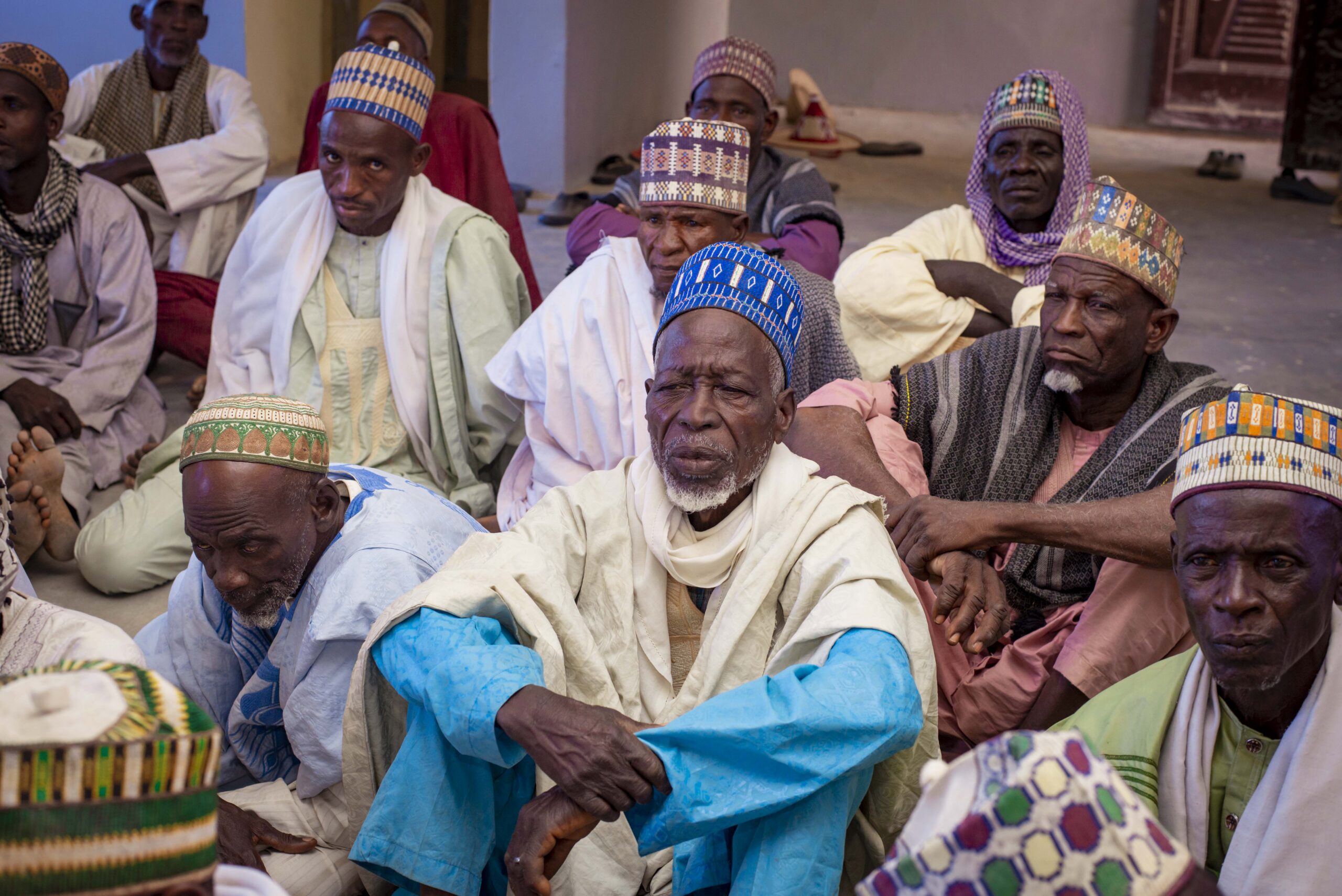
Over four months, community champions led monthly peer-to-peer sessions. Traditional leaders in Magama, Tilde, Gada, and Ningi also organized community sensitization dialogues on SRHR and gender-based violence (GBV). Because these leaders are widely respected, they were able to introduce difficult topics in ways that felt culturally grounded and accessible. Men and boys were engaged in settings where norms are reinforced daily, such as mosques, youth hangouts, community forums, and informal male groups.
These sessions created space for open discussion. Community members learned practical SRHR information, reflected on the impact of GBV on families and communities, and explored concrete ways to reduce violence and support women’s health. Traditional leaders also connected new information to familiar values and local customs, which helped reduce defensiveness and increase participation.
Before this intervention, I received reports of gender-based violence almost every day. Since it started, I have not received a single case. This intervention has come to stay.
His Royal Highness, Ahmed Inuwa, Hakimin Toro
Across communities, we saw a familiar shift: moving from moral policing toward shared responsibility for health and well-being. Champions helped drive an awareness campaign across Toro and Ningi communities, reaching more than 10,000 people through peer sharing, sermons, and community discussions.
One change was especially visible among women around contraception. Malama Hannatu, a housewife in Toro shared how myths once held her back: “I believed many things—that if you do family planning, you will never give birth again; some said your child would become a ghost. But through this intervention, our facilitators taught us about contraception and its importance. Now, we are informed.”
During a debrief, a young male champion in Ningi shared, “Before now, I used to think contraception was something that encourages immorality. Now I understand it is about protecting health and supporting families. I speak about this with my friends—not to argue, but to explain.”
Sunday Inusa, Trained Community Champion
The intervention has triggered not just a conversation, but a movement that is led by trusted community voices, backed by traditional authority. Through education, open dialogue, and myth-busting sessions, the intervention communities are becoming a safer place for women and girls, and a healthier one for families. As one young man put it: “When our imam spoke about protecting women’s health, it permitted us to talk. Before, we were silent.”
These outcomes were not abstract. They showed up in decisions, in relationships, and in whether women could get care when they needed it.
- Stigma around contraception reduced, and married women reported more spousal support for family planning.
- GBV reporting increased, including one case where a young woman reported rape after learning the referral pathway leading to an arrest and accountability.
- Baby abandonment was prevented in one community, where a newborn was safely reported and protected through a trained community network.
These stories were matched by measurable changes in knowledge, attitudes, and social norms related to SRHR and gender equality. They show what is possible when programs are designed not only to share information but to shift norms.
Quantitative assessments showed a 22.7% cumulative increase in SRHR knowledge, attitudes, and intentions and 31% positive shift in social norms related to gender equality, GBV tolerance, and openness to contraception. These numbers matter because reproductive justice is not achieved in one conversation but takes community-level shifts when healthier behaviors become acceptable, supported, and sustained.

One of the strongest lessons from Bauchi was the role of faith leaders. Religion is often cited as a reason to avoid SRHR conversations. In our work, supportive religious leadership opened space for them. When imams and traditional leaders spoke about SRHR in the language of health, dignity, and family well-being using the Ipas sermon notes for religious leaders, resistance softened. Youth engagement increased. Topics once treated as taboo entered public conversations with greater legitimacy. This reinforces a core Ipas approach: helping people reflect on their values and connect them to women’s health and rights, rather than leading with confrontation, can help communities shift from silence to solutions
What does this mean for Ipas’ strategic engagements
The Bauchi experience points to three strategic imperatives for advancing reproductive justice in Nigeria:
- Engage men as part of the solution within feminist, rights-affirming approaches that center women’s autonomy and safety.
- Invest in social norm change, which takes time, trust, and credible local leadership, especially from faith and traditional institutions.
- Back community-led, evidence-informed work that can unlock access and reduce stigma, especially where policy reform alone does not reach women’s daily realities.
Reproductive justice will not be achieved through clinics or laws alone. It will be achieved when communities protect women’s rights, reject violence, and treat choice and care as normal and necessary. Engaging men, therefore, does not mean we are shifting attention away from women. It is about changing the conditions that limit women’s autonomy, so women and girls do not need permission to prevent a pregnancy, seek care, or report violence. The Bauchi state case showed that even in deeply conservative settings, norms can move when trusted leaders speak, men step into responsibility, and women’s dignity stays at the center.