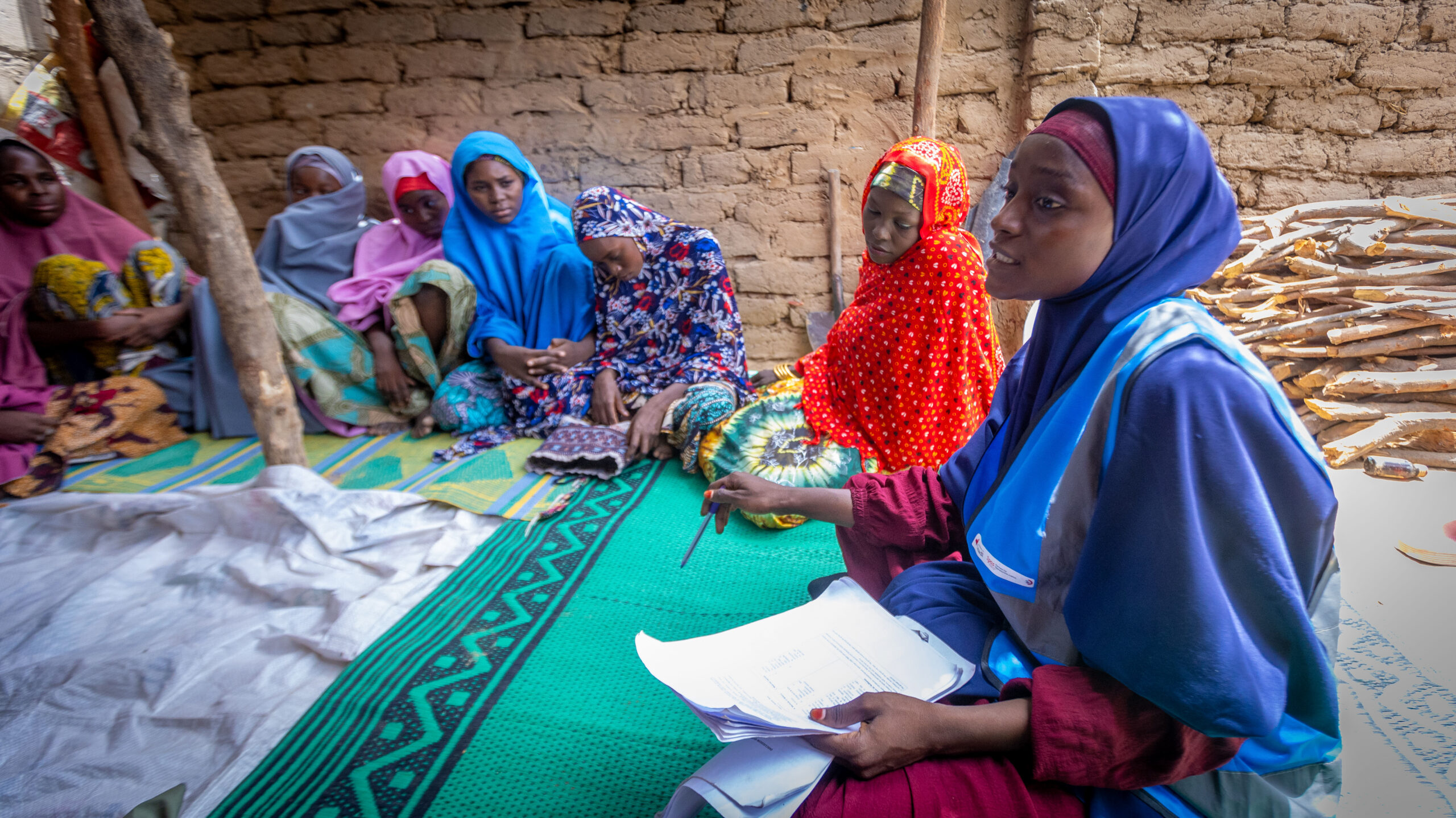
Adolescent girl’s ability to make choices for their health goes beyond their knowledge of sexual and reproductive health alone. It involves ongoing dialogue and engagement with multiple power holders in patriarchal societies where entrenched social norms limit women’s and girls’ ability to make safe health decisions.
“There were times when men in our community would not allow women to go to the hospital, even when we were sick or pregnant. That was a big challenge for us,” says Aisha Ahmed, a community member from the Alkaleri community, Borno State.
With support from the Norwegian Agency for Development Cooperation, Ipas Nigeria, in collaboration with Zenith of the Girl Child and Women Initiatives Support (ZEGCAWIS) is working in communities in Borno State, Nigeria, to transform these patriarchal norms through dialogue with community leaders, other power holders in the communities, and women. These conversations are helping shift long-held beliefs that limited adolescent girls from making decisions they need for their sexual health.
Things have started to change. A peer educator came to our community and educated us. She didn’t stop with the women; she also gathered the men and spoke to them. That made a big difference because they began to understand our needs too, says Aisha.
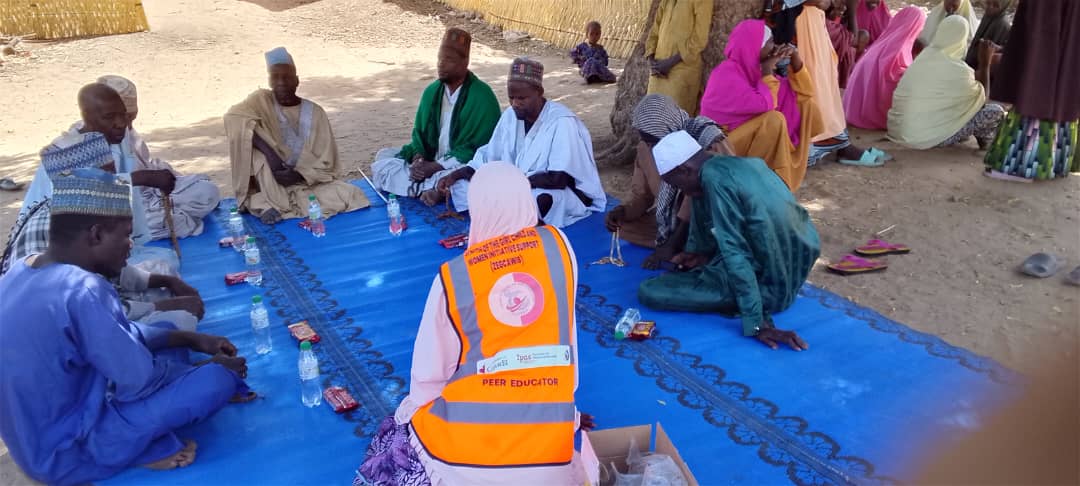
Peer Educator holding sessions with men in the community. Photo @Ezekiel Sunday/ZECGWIS
The sessions also helped women and adolescent girls to build knowledge about contraceptives while sensitizing men and women to support their access to care in the health facilities.
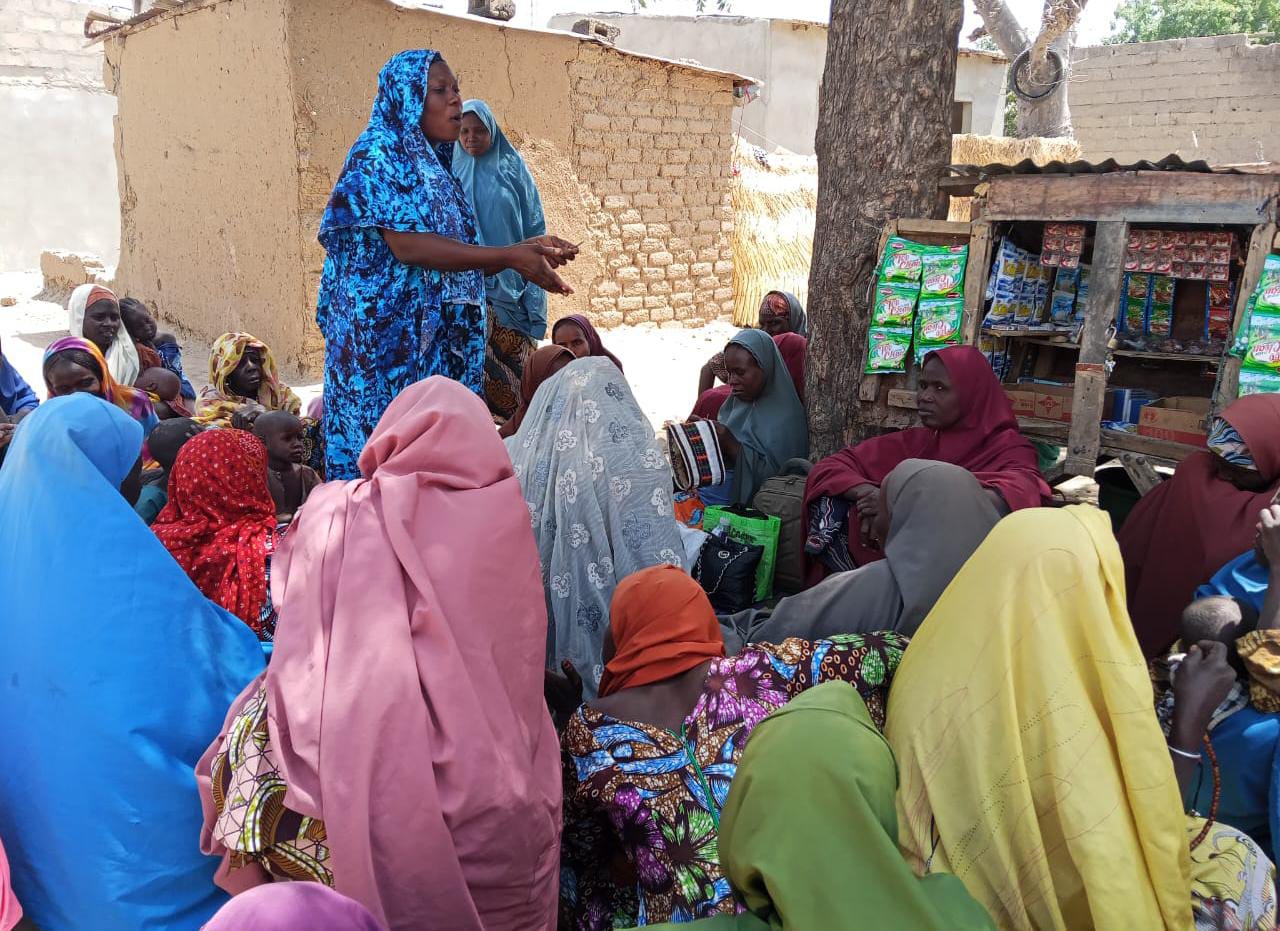
Peer Educator holding sessions with women in the community. Photo @Ezekiel Sunday/ZECGWIS
“When the facilitators came to our community, they taught us about child spacing,” says Laraba Ali, from the Alkaleri community. “That topic touched me deeply because I have given birth to 12 children, and my body is tired. I didn’t know I had options before. After learning about contraceptives, I decided to go to the hospital to get an injection.”