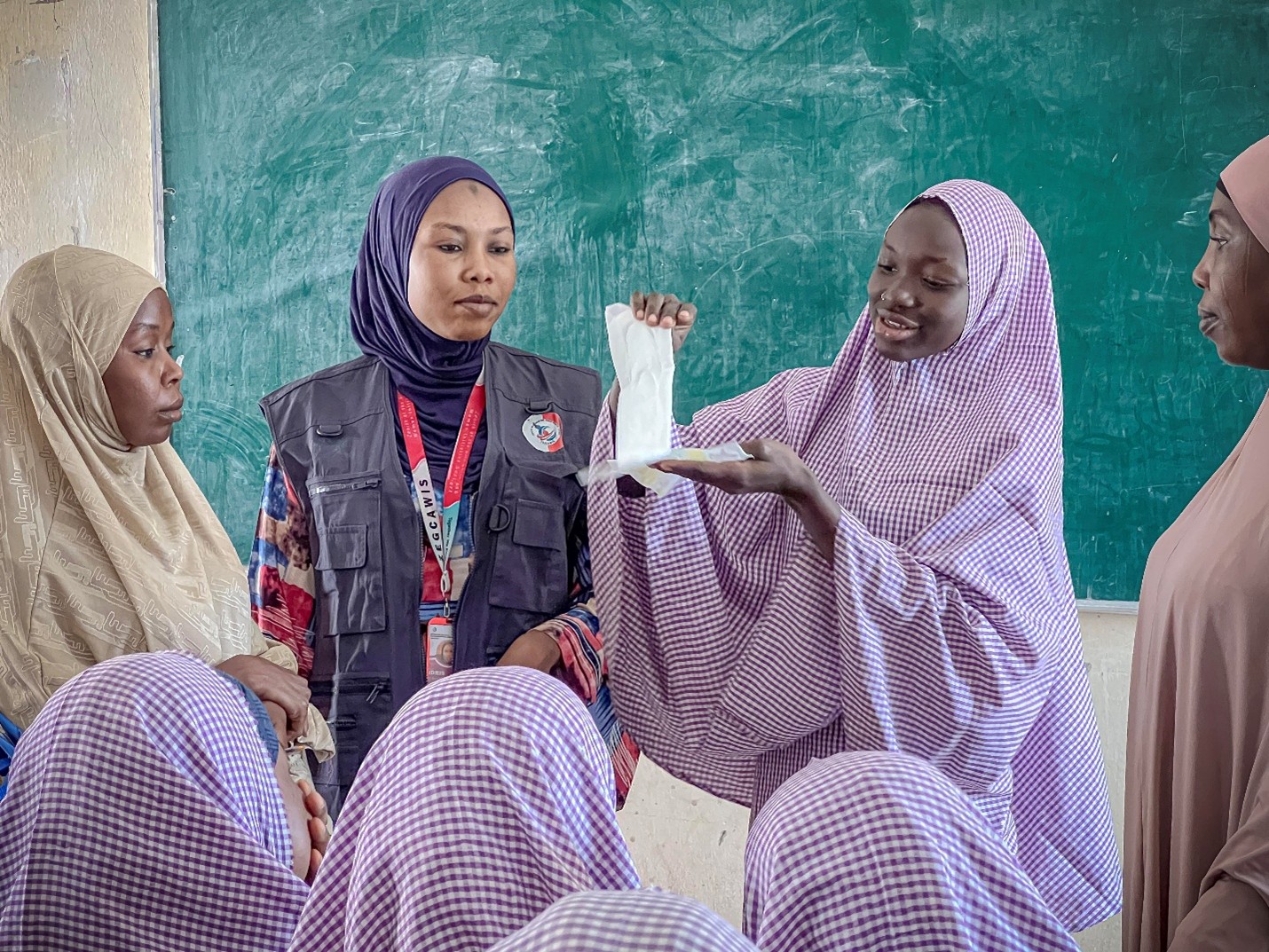
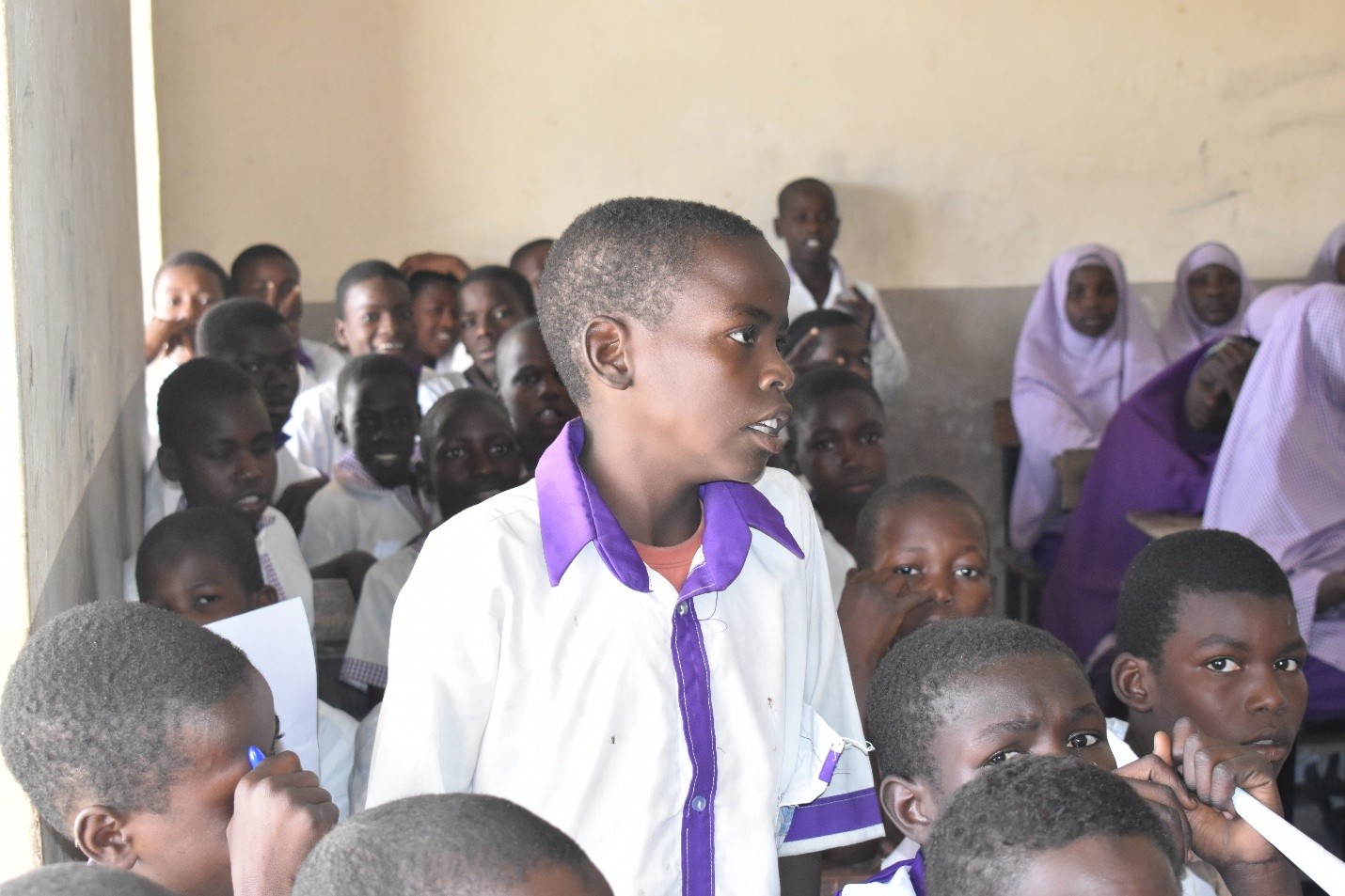
School demonstration on the use of pads during the rapid response club session in school. Photo @Ezekiel Sunday/ZECGWIS
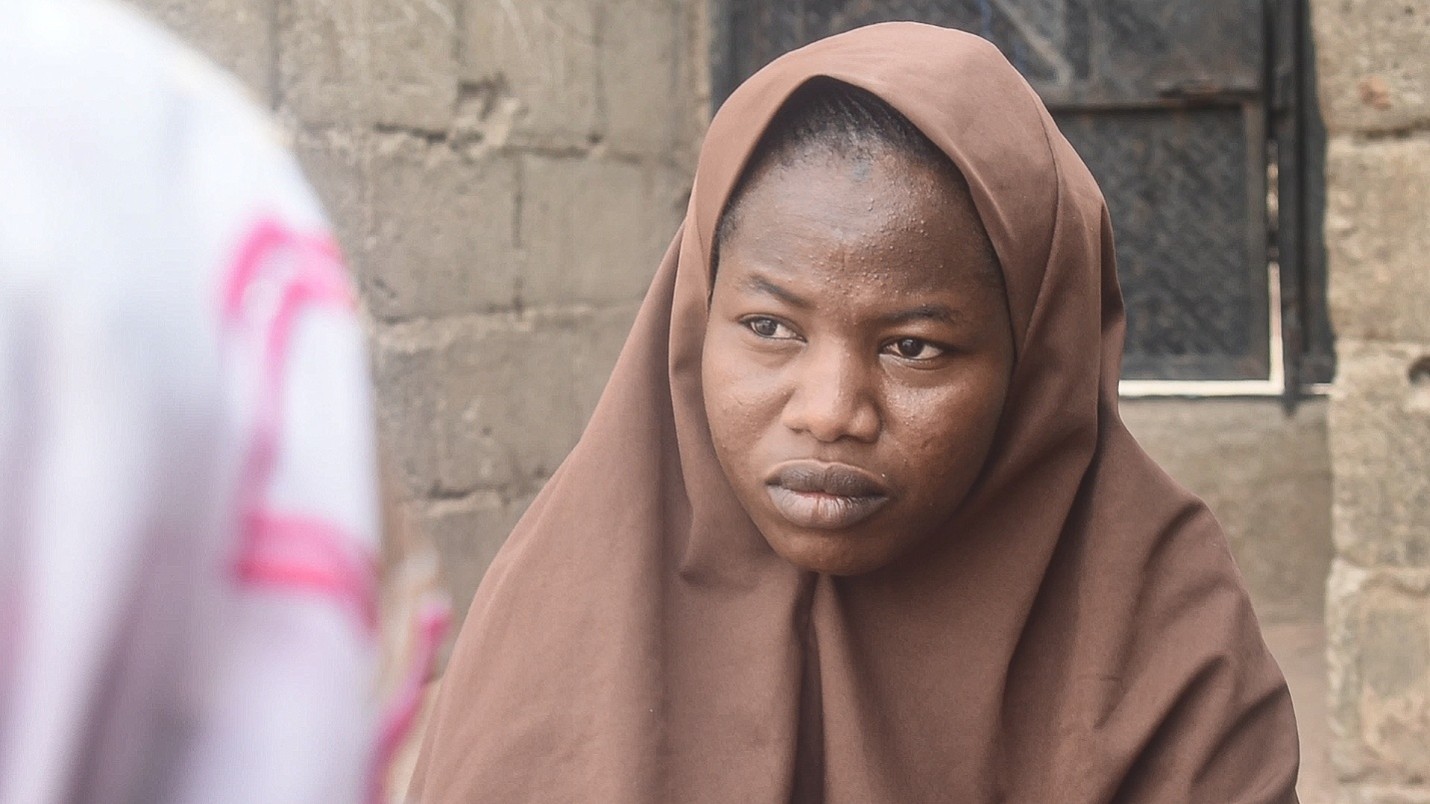
‘…Whenever I was on my period, I used to stay at home and not come to school. I did this to avoid stigma and other problems. I felt it was better to keep away than to face embarrassment or how people might treat me,”- Falmata Babagana, student, Government Day Secondary School, Magumeri, Borno State.
Unfortunately, many share similar experiences. It is quite common for girls not to have information about their sexual and reproductive health, including menstrual hygiene management. This lack of information exposes them to several risks, including missing school days each time they are on their periods and facing stigma and shame within their communities. Also, limited awareness of menstrual hygiene management can lead to unsafe practices.
I used to use a rag as a pad during my period and wouldn’t change it all day. I didn’t know how important it was to take care of my body,” says Fatima Zakariya Adam, student, Magumeri GDSS, Borno State.
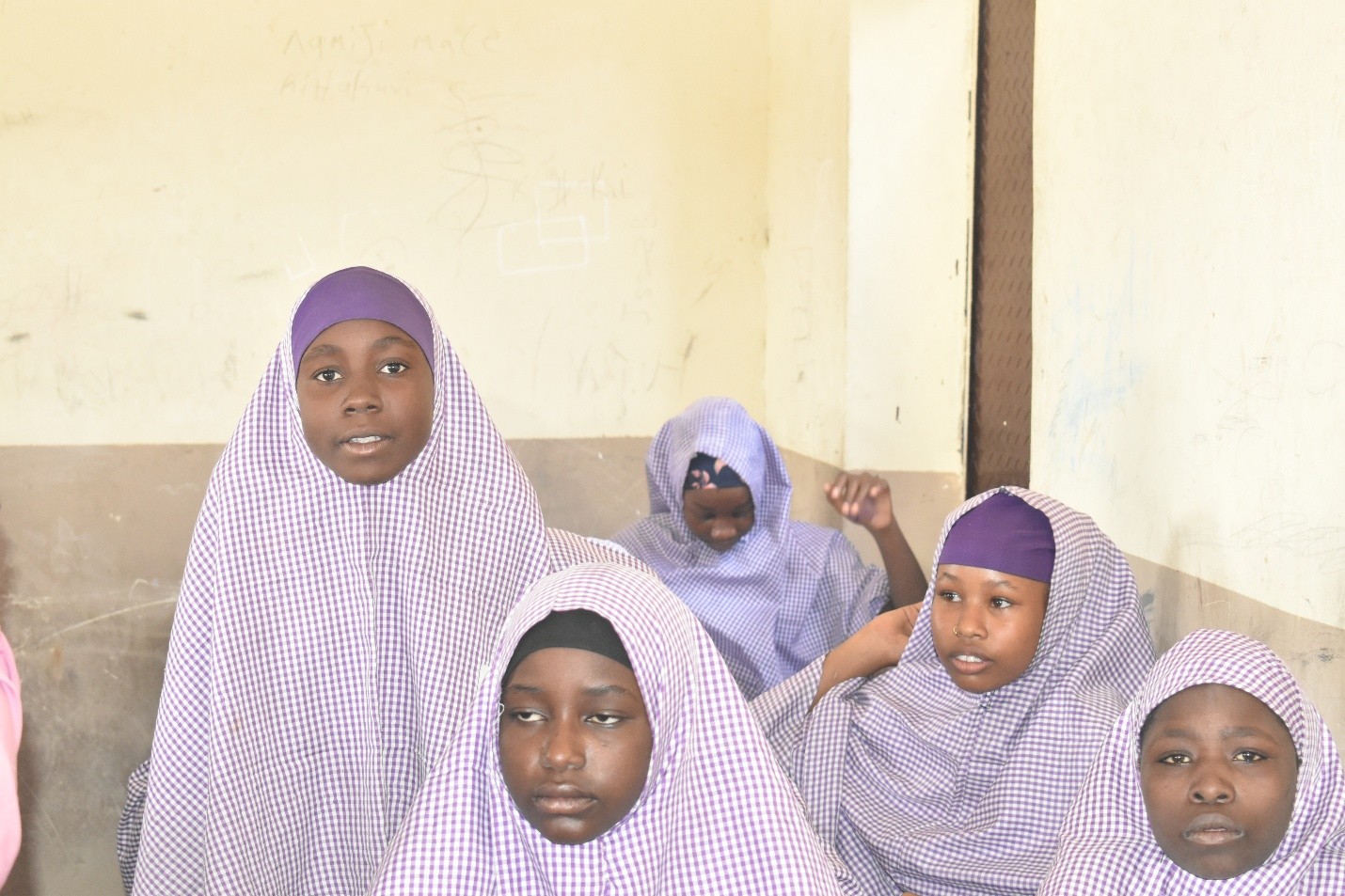
Fatima Zakariya in school during one of the rapid response club sessions. Photo @Ezekiel Sunday/ZECGWIS
Women in the community also described similar beliefs and attitudes to menstruation – ‘….we believed that menstruation was something shameful, almost like an abomination. When a woman was on her period, she was treated differently. Our husbands would avoid us. They wouldn’t come close to us, eat our food, or drink from our pots. Sadly, we also treated our daughters the same way. We made them feel unclean and isolated during their periods.’ Zara Abbakar, Parent, Magumeri Community, Borno State.
With support from the Norwegian Agency for Development Cooperation (NORAD), Ipas Nigeria, in collaboration with Zenith of the Girl Child and Women Initiatives Support (ZEGCAWIS) is working in communities to empower adolescent girls and boys, caregivers and community leaders with information on sexual and reproductive health, including menstrual hygiene management, and gender-based violence. As part of the intervention, 1200 menstrual hygiene kits have been distributed to women and girls.
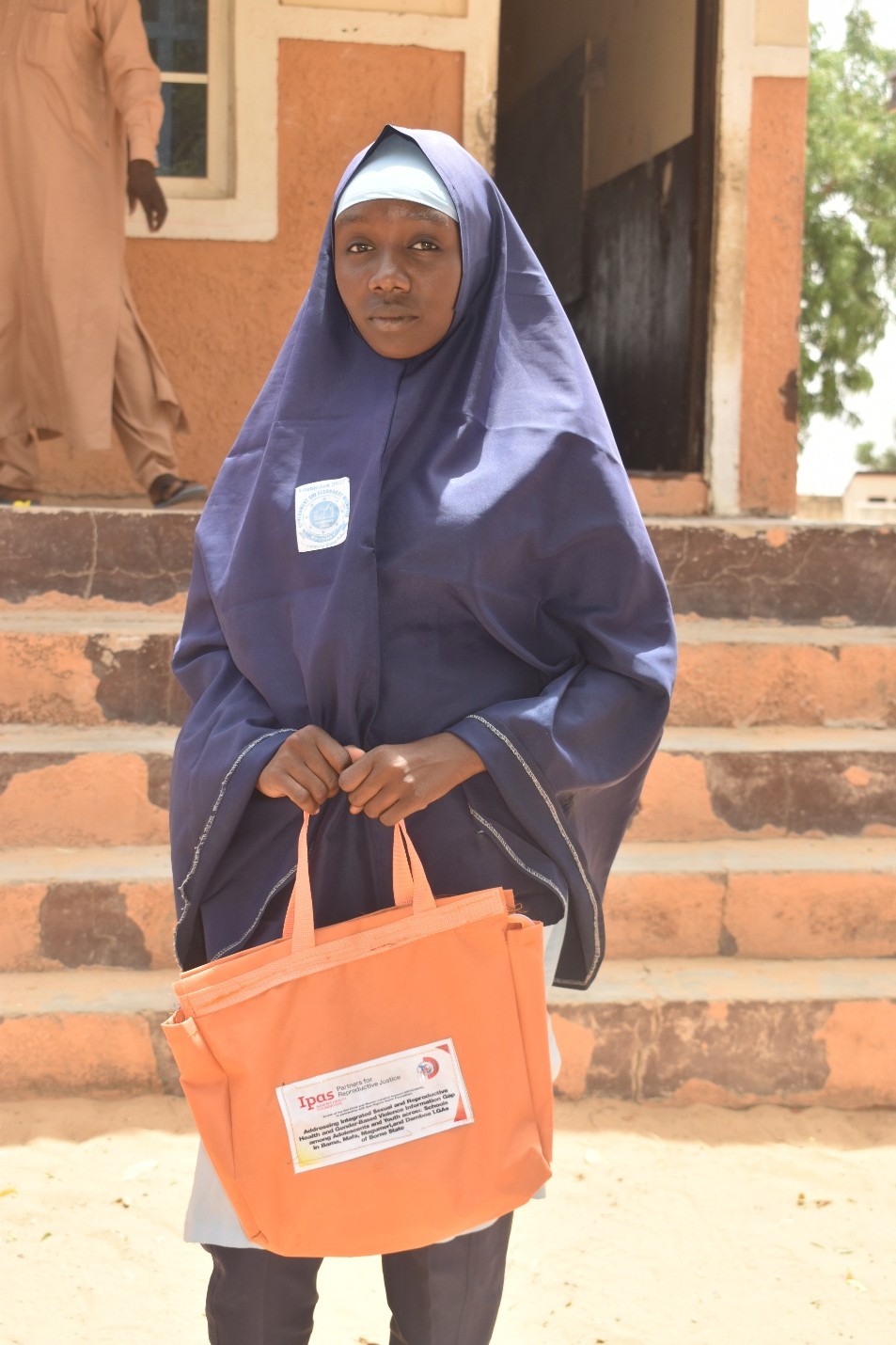
Rapid response clubs were established in schools for adolescents alongside community sessions for leaders and caregivers to encourage open conversations. These efforts have helped girls better understand how to manage their periods and stay in school.
“Everything started to change when the peer educator gathered us in this club and sensitized us. Through the sessions, I began to understand more about periods and what it really means. I learned that being on my period should not stop me from coming to school or socializing with others. It is something natural,” says Falmata. Boys also provide better support for girls during their periods.
The club also taught us how to treat girls during their periods. If a girl’s clothes get stained, we should not stigmatize her. Instead, we should help her or take her to the community leader to support her,” says Ali Muhammed, student at Government Day Secondary School, Magumeri Borno State.
The community sessions also provided an opportunity to challenge beliefs that bury conversations about menstrual hygiene management and to address practices that promote child marriage, as well as stigma and shame in discussing sexual and reproductive health.
“ When a girl turns 18 and is still unmarried, people start to worry that she may not find a husband. That fear pushes many families to marry off their daughters early. But we have learned that it is not right and can cause complications,” says Aisha Ahmad, community member, Aburi Community, Borno State.