For many adolescent girls in Nigeria, sexual and reproductive health information remains hidden, treated as taboo, and rarely discussed. Adolescent girls living with disabilities face even greater exclusion from access to this information, and conversations about menstruation are often seen as inappropriate. This creates poorer outcomes for girls with disabilities, including reduced school retention rates.
In many communities, girls miss school because of menstruation-related fear, misinformation, stigma, or a lack of support. For girls with disabilities, these barriers can be even more complex because health information is often not designed with them in mind. They are often excluded from conversations about puberty, sex, safety, consent, and reproductive health.
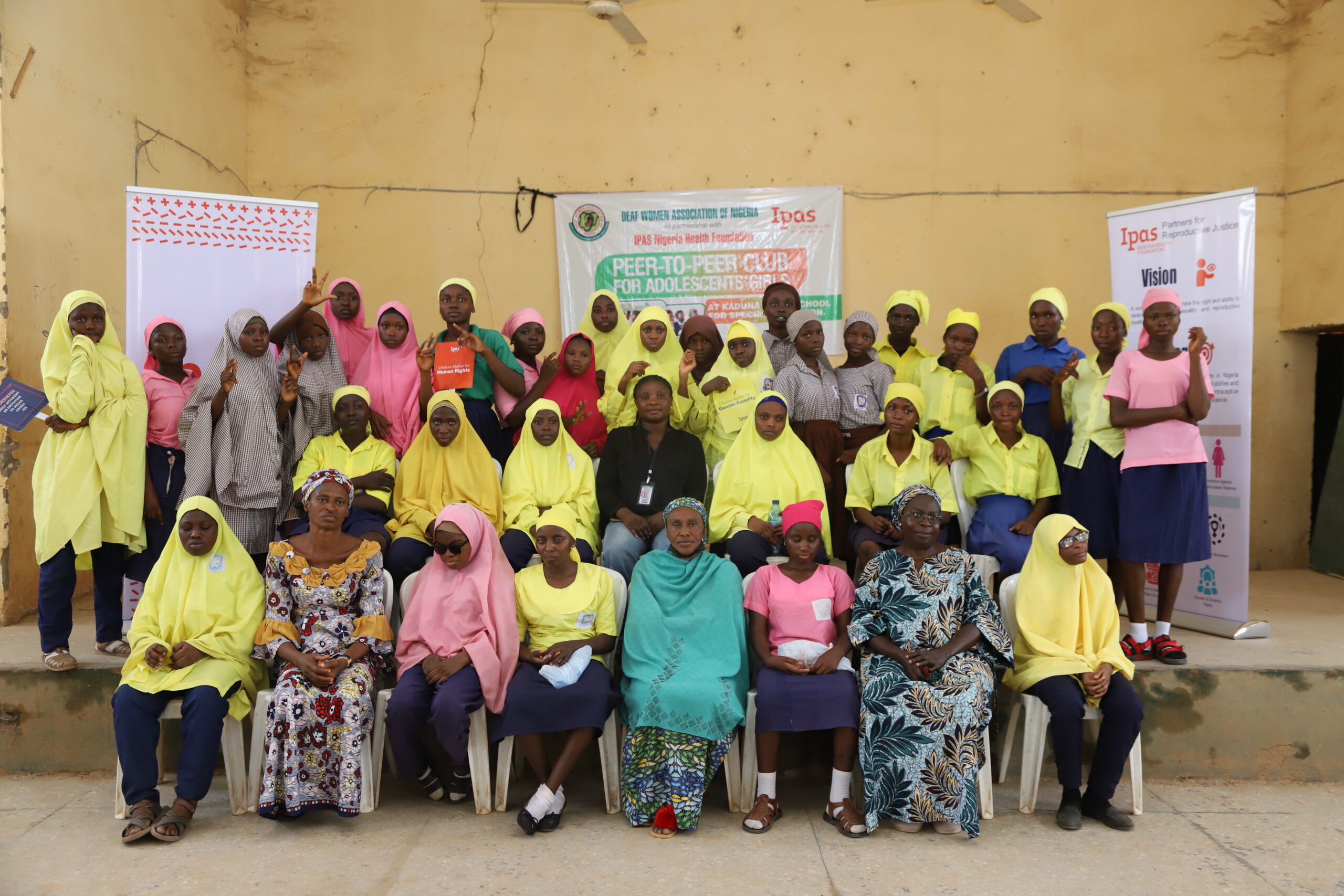
With funding from the Norwegian Agency for Development Cooperation (NORAD), Ipas Nigeria, in partnership with the Deaf Women Aloud Initiative, is working at Kaduna Special Education School to run the Adolescent SRHR Club. This initiative is helping to break the silence and empower girls with knowledge about their sexual and reproductive health. The project also supports teachers to ensure that girls living with disabilities do not stay away from school during their periods. In this way, girls are not only staying in school, but are also gaining the information, confidence, and support they need to remain in the classroom.
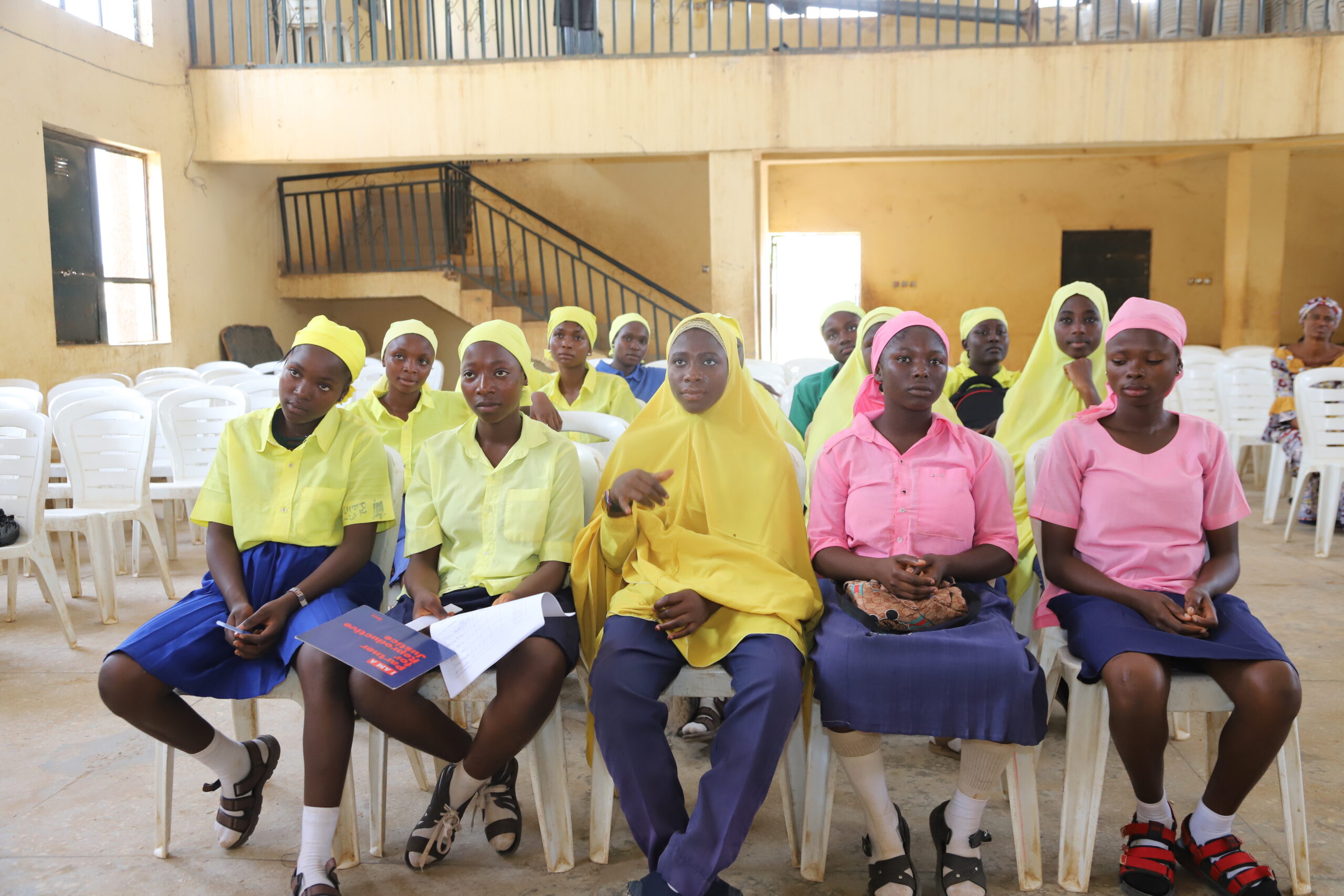
The club has created a safe and accessible learning space for adolescent girls with disabilities. It brings together teachers, peer educators, and students to discuss sexual and reproductive health and rights in ways the girls can understand, participate in, and trust. Sessions are delivered through sign language, peer education, and accessible teaching methods. The girls follow the conversations through interpretation and peer-led support, creating an active learning environment that encourages reactions, questions, and debate.
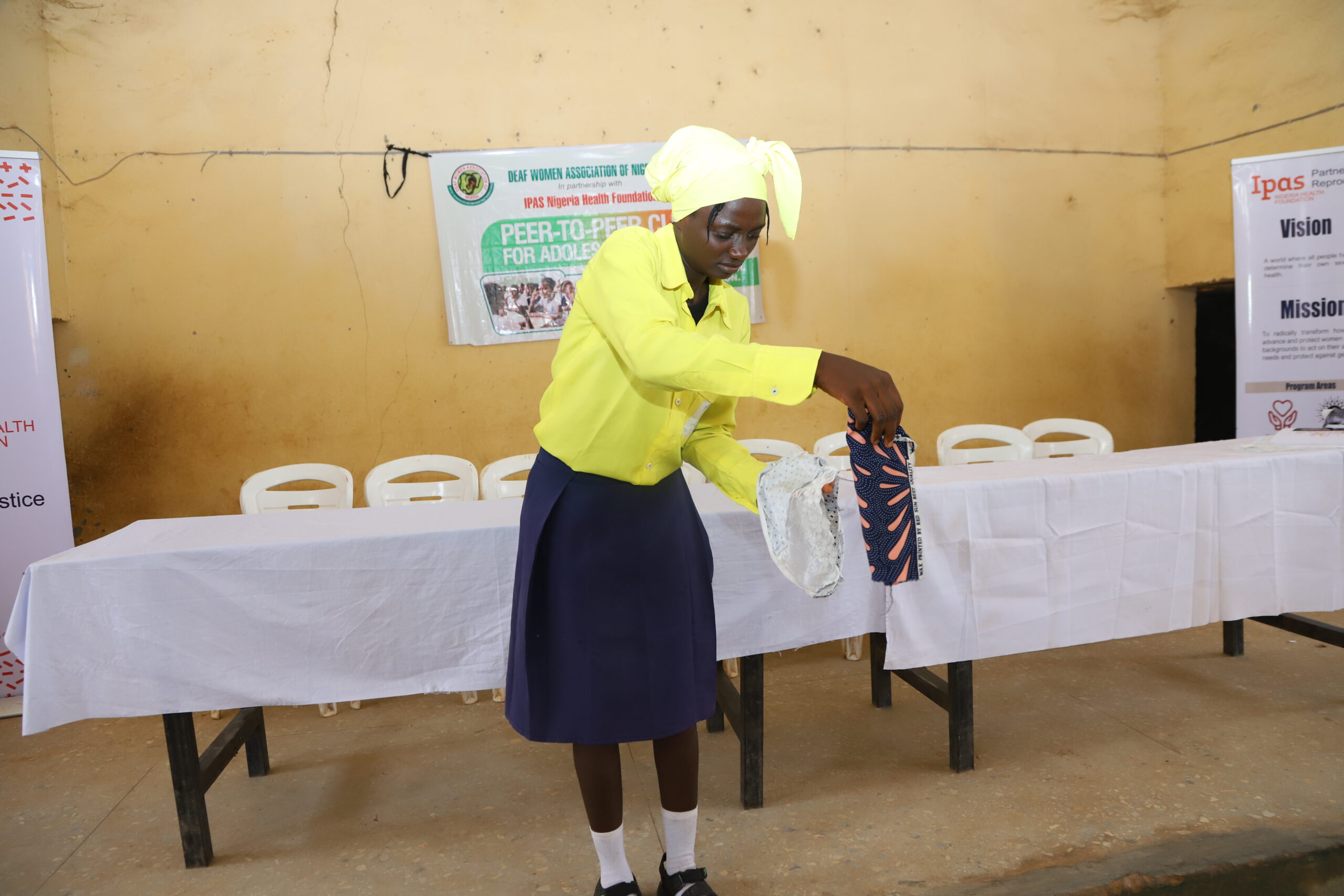
Conversations about menstruation have helped the girls understand that periods are normal and that menstrual blood does not make a girl dirty. This helped them see that they can still come to school while on their period. Facilitators spoke about menstrual cramps, hygiene, body changes, and how girls can continue to attend school and learn during their menstrual periods.
I loved being part of the club so much. It is so fun, and I decided to teach my sisters so they will know as well because before, many of us didn’t know about menstruation and HIV. Now, we know it is not bad – we teach each other and come to school.
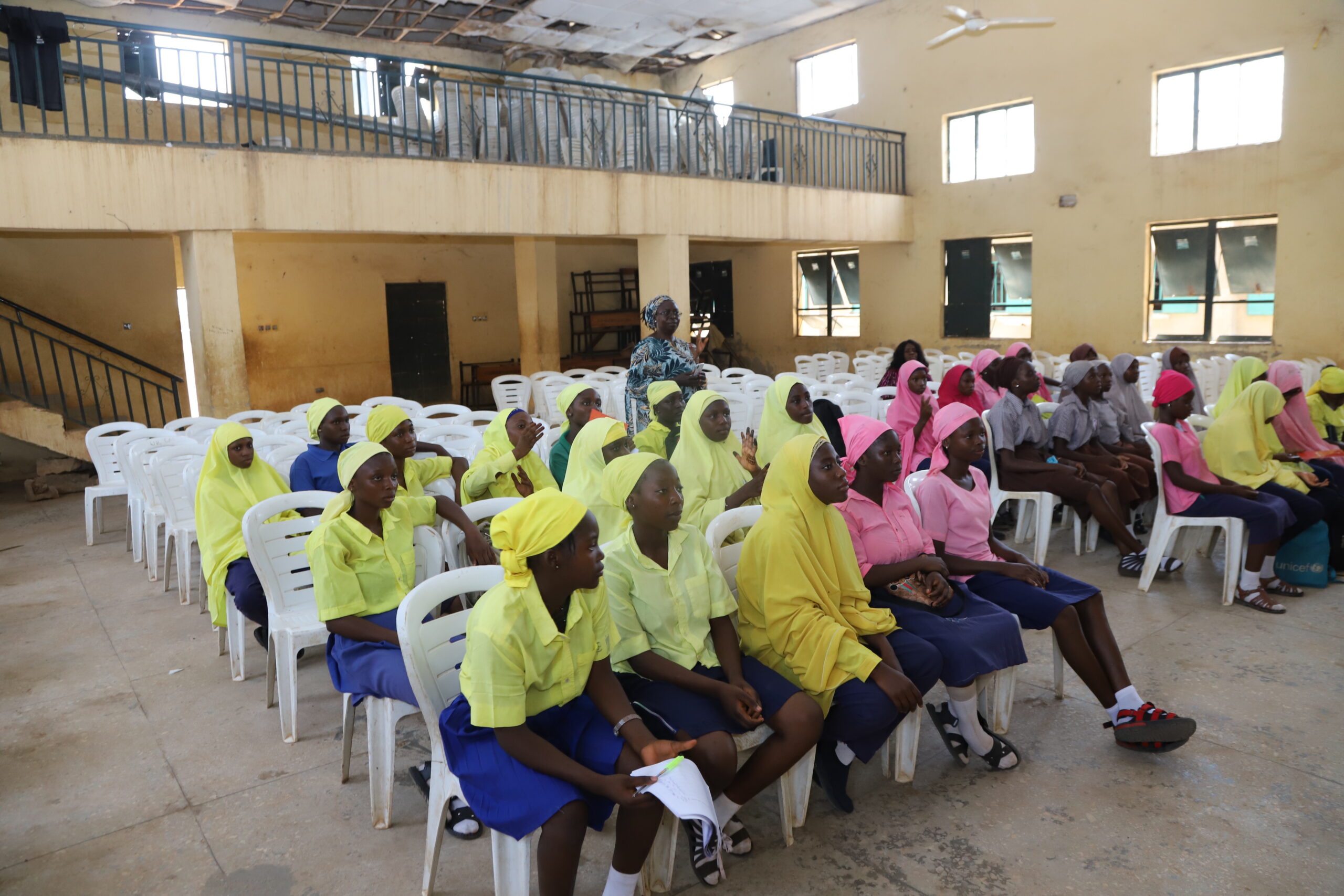
According to the school matron, one of the changes noticed since the club began is that more girls now come to school while on their periods. Teachers have also observed that many of the girls now look forward to club meetings. In Northern Nigeria, where girls face multiple educational barriers, including high rates of child marriage that contribute to early school dropout, the club is helping them discover their potential and aspire to careers and futures beyond marriage.
This shows how transformational sexual and reproductive health information can be for girls with disabilities. It also underscores why the Kaduna Special Education School Adolescent SRHR Club is so important. The club does not treat disability inclusion as a side conversation; instead, it places girls with disabilities at the centre of learning, recognising that keeping girls in school requires more than enrolment. It requires dignity, safety, and access to accurate information about their sexual and reproductive health.
We’ve seen a difference. Girls who used to miss class now come. They now feel very comfortable asking questions they would have never asked before. We are making progress.