
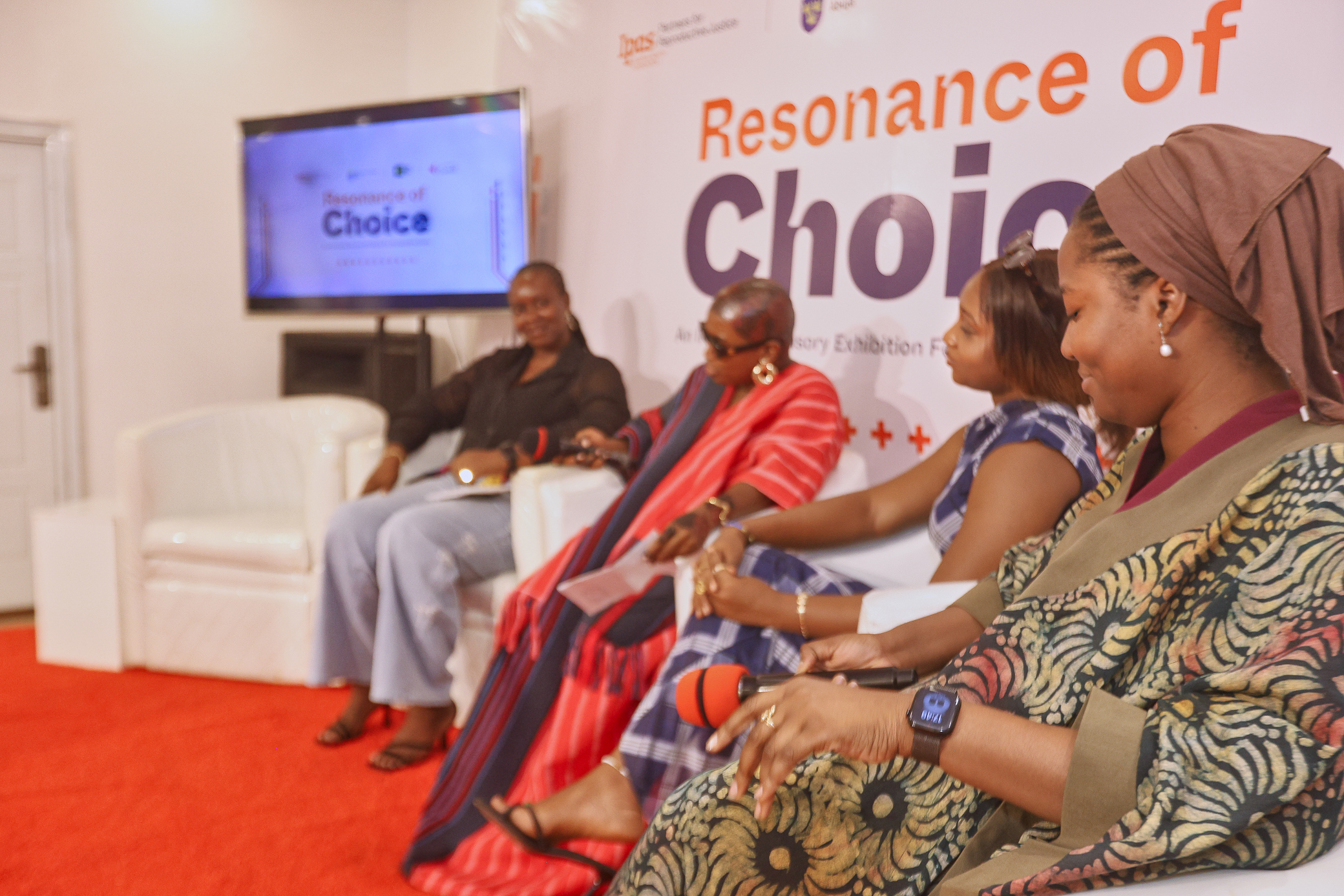
Conversations about abortion care are often shaped by stigma, silence, and long-held beliefs. In Nigeria, where an estimated 1.6 million abortions occur each year and abortion contributes significantly to maternal deaths, stigma can make it difficult for women and girls to seek safe, timely, and compassionate care when they need it. Yet, behind the numbers are real people, real experiences, and stories that deserve to be heard with empathy.
For many people, what they know about abortion care has been influenced by cultural, religious, and social beliefs passed down over time. These beliefs can sometimes make it harder to see abortion care as part of healthcare, or to understand the impact of unsafe abortion on women, families, and communities.
To help open up more thoughtful conversations, Ipas Nigeria, in partnership with Global Affairs Canada, Media Health and Rights Initiative, and the Embassy of Sweden, launched an art competition themed Resonance of Choice. The competition invited artists across Nigeria to use photography, canvas, digital paintings, and illustrations to explore how stigma affects access to safe abortion care and how different the future could look when reproductive health choices are met with understanding rather than fear.
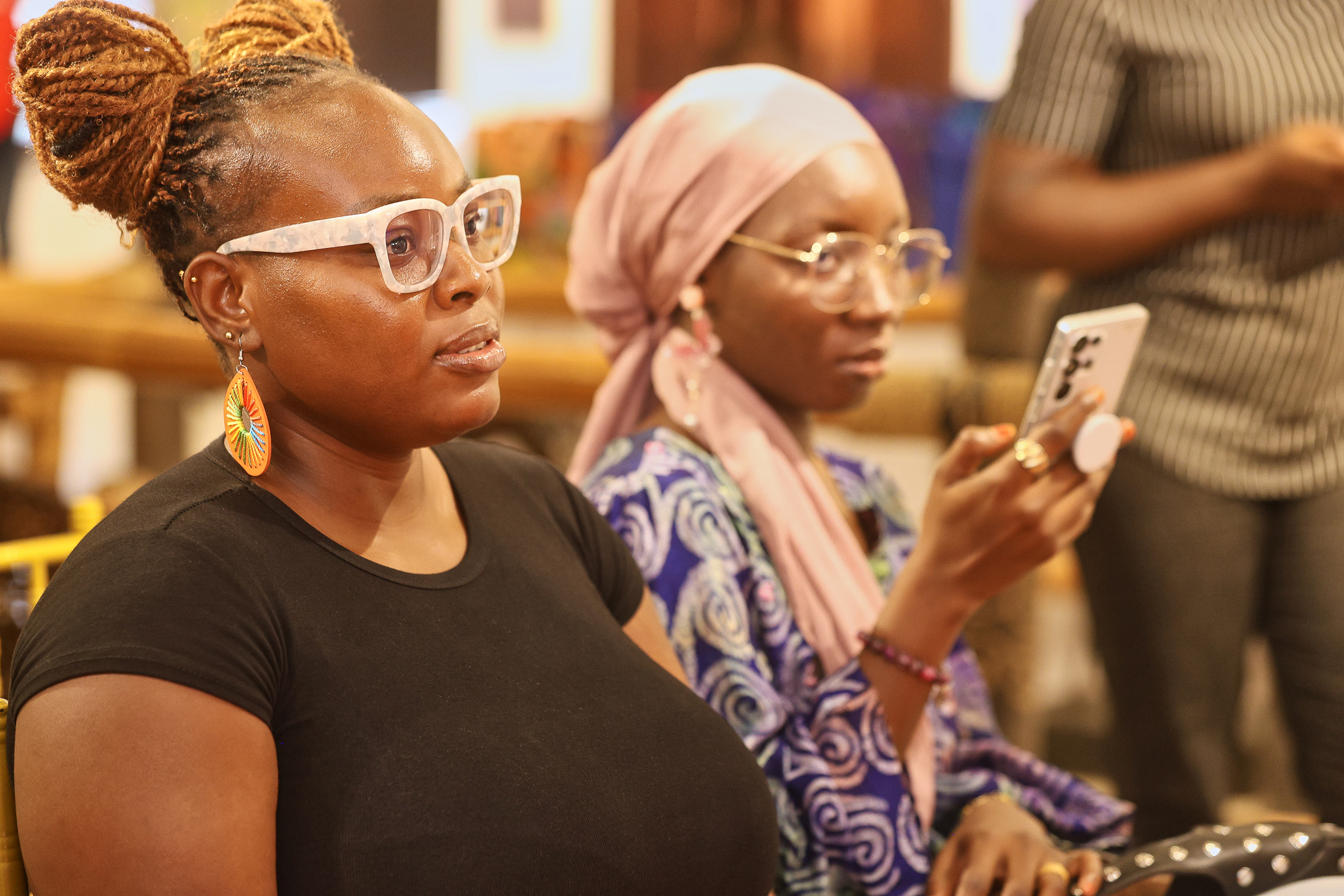
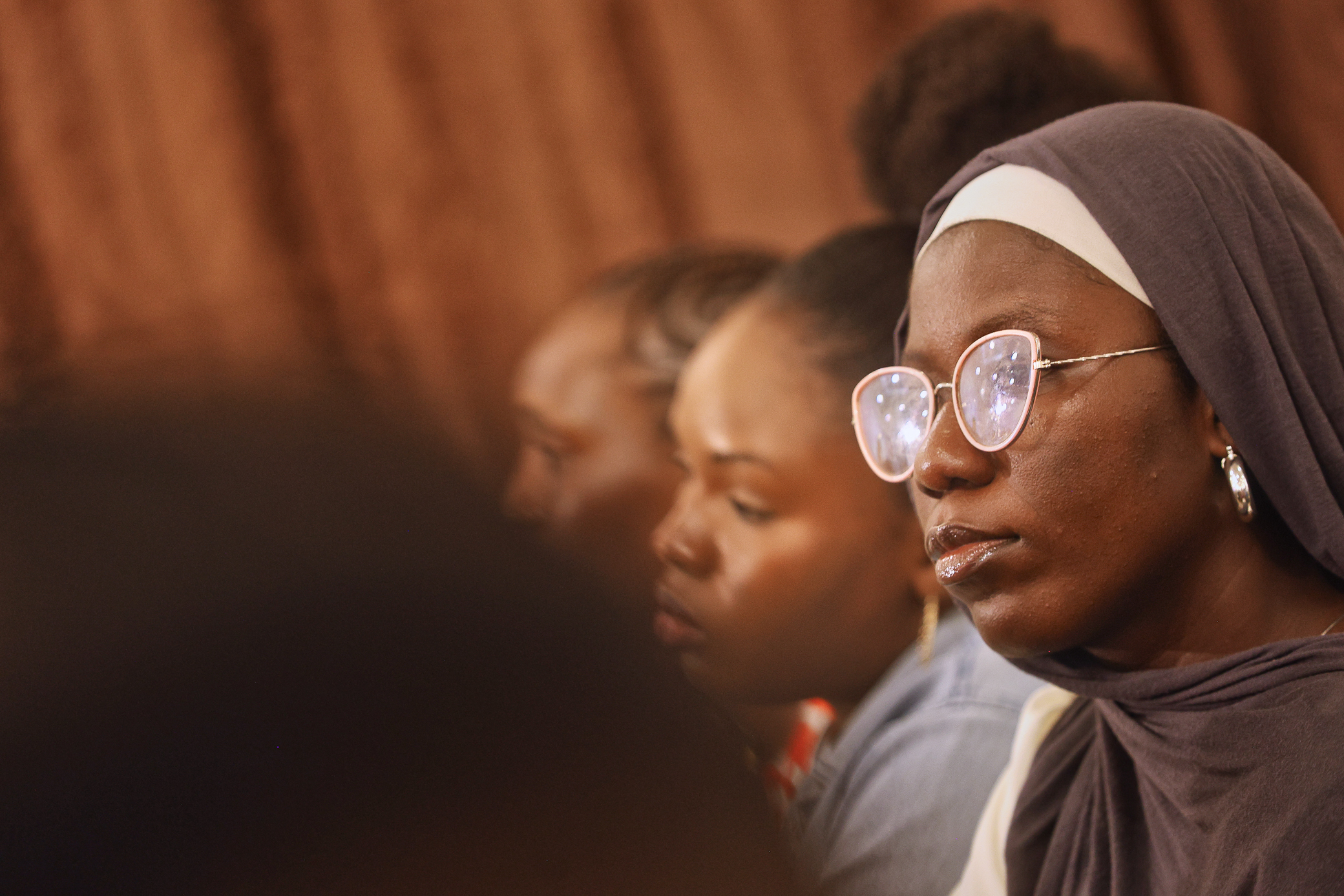
The competition received more than 66 submissions. Followed by several rounds of review, the top three artists were selected and celebrated at the Resonance of Choice exhibition—an immersive sensory experience designed to spark reflection and conversation around reproductive justice.
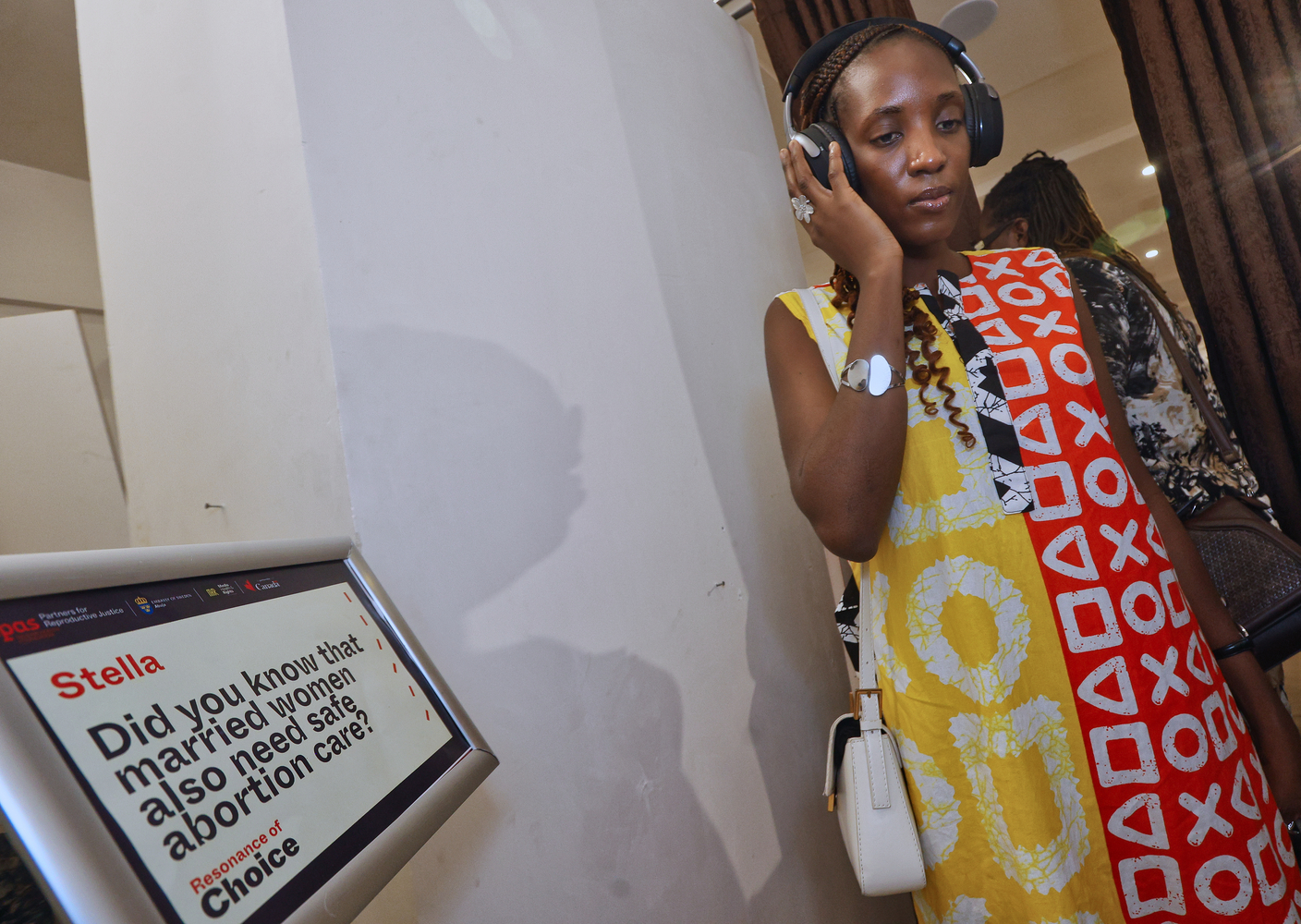
At the exhibition, participants encountered different forms of art and storytelling that brought personal experiences to the centre of the conversation. They listened privately to real stories from people who had sought abortion care, including married women, middle-aged women, women affected by humanitarian crises, and young men. The experience created space for people to reflect, question assumptions, and engage more openly with a subject that is often surrounded by silence.
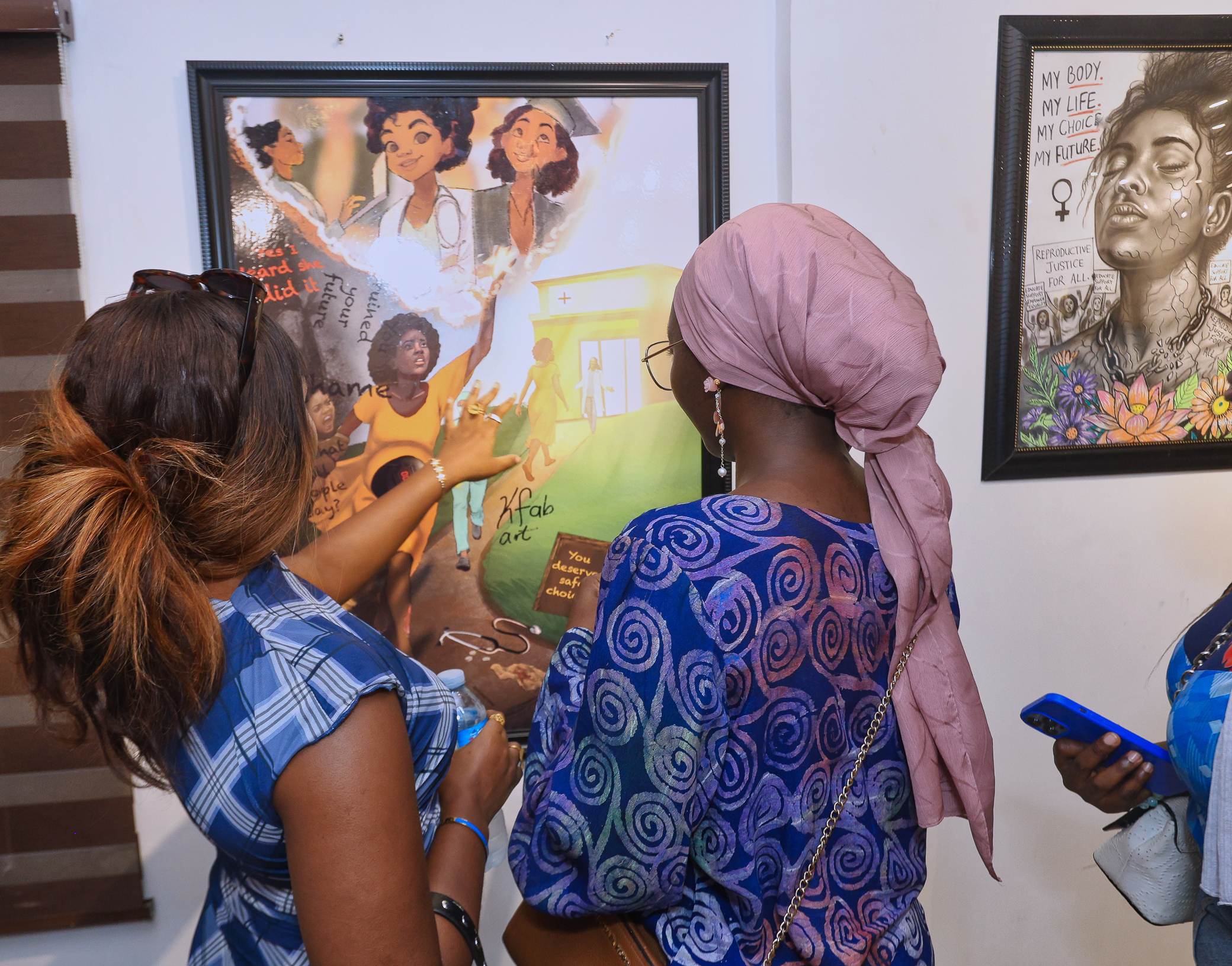
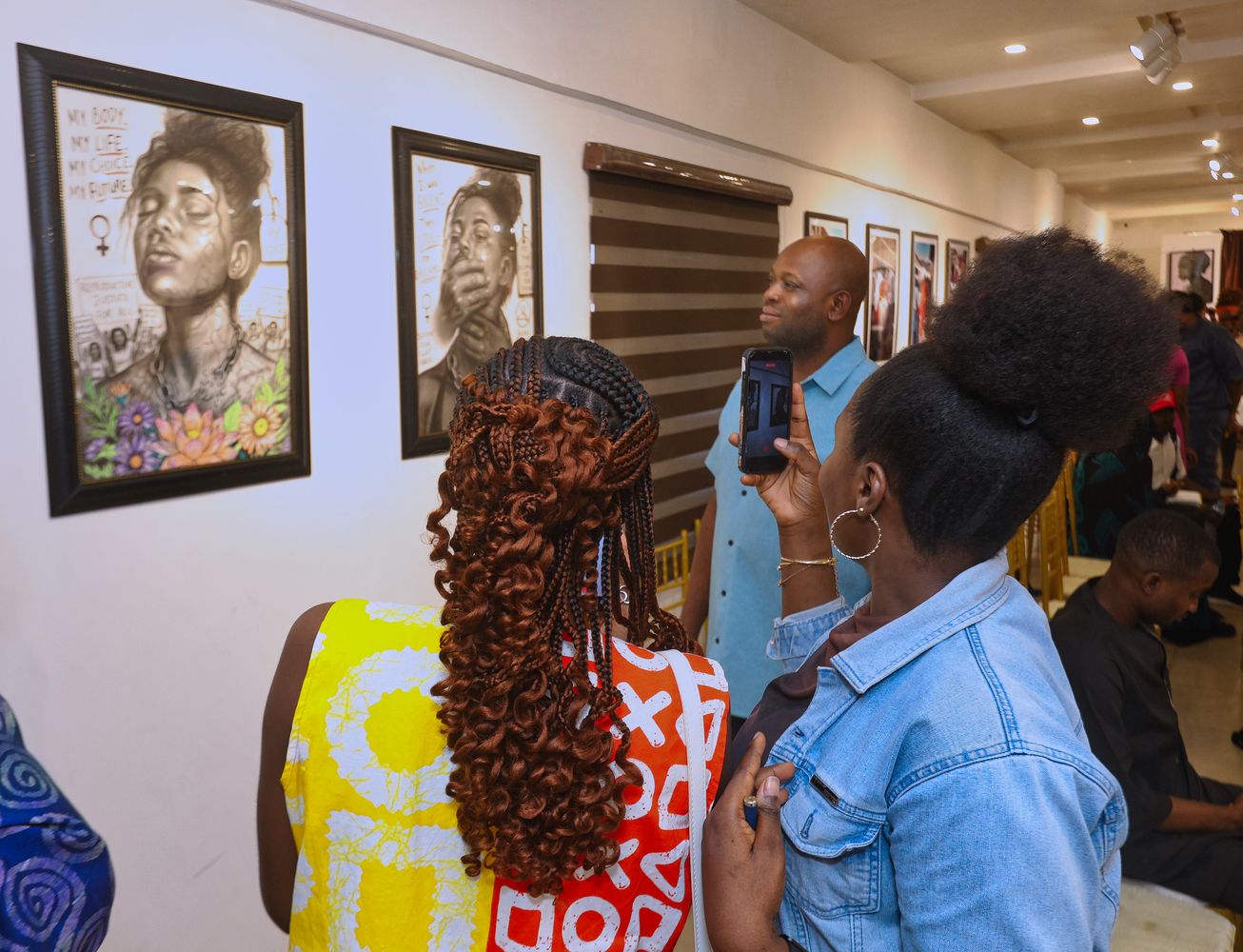
After listening to the stories, participants responded to reflective questions about abortion care, stigma, and empathy. One participant wrote, “This was something I had never really thought of, but now I am glad to know this.” More than 80% of respondents agreed that abortion care should be met with empathy and not with judgment. Others shared reflections such as, “I strongly think we should support anyone who needs safe abortion,” and “Abortion is healthcare, and no one should be shamed for needing it.”
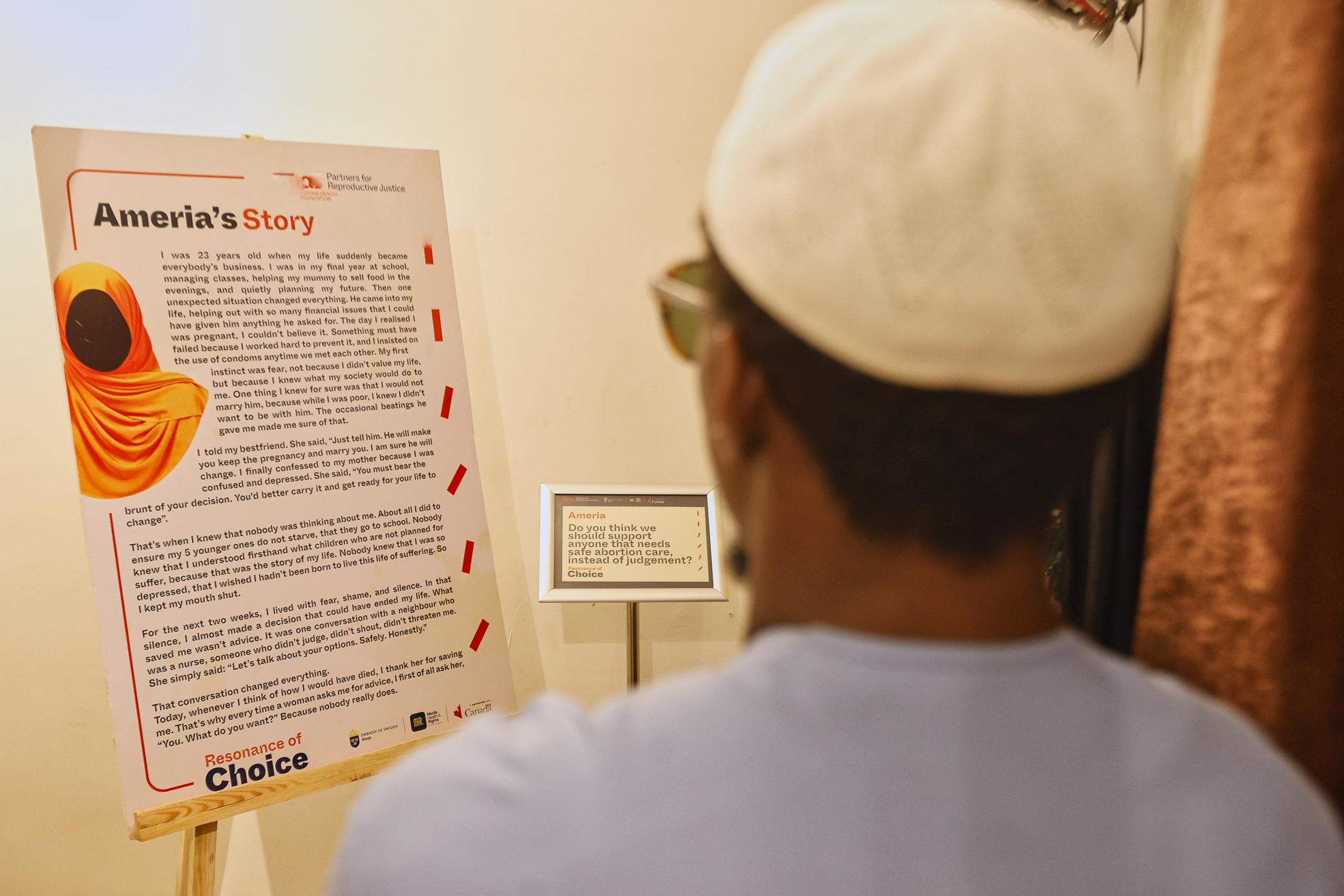
Through Resonance of Choice, art became more than expression; it became a way to listen, reflect, and begin changing the conversation. By bringing stories into the open, the exhibition showed how empathy, creativity, and shared experiences can help break the silence around abortion care and support a future where people are met with dignity and compassion.