In many communities in Nigeria, cultural and social norms shape what women and girls are expected to accept and can quietly limit their ability to make decisions about their own bodies. These norms can create barriers to reproductive health services, including contraception and safe abortion services when they are needed. They can also contribute to sexual and gender-based violence. Changing norms like these requires consistent advocacy and practical messages that resonate with the people who influence community beliefs and decisions, including traditional leaders, men, and women.
With funding from Global Affairs Canada, Ipas Nigeria Health Foundation worked in Benue, Borno, and Oyo States to shift harmful norms that reduce uptake of reproductive health services. Together with key partners and community stakeholders, transformative messages were co-developed and designed to inform, challenge harmful beliefs, and strengthen community support for women and girls seeking reproductive health services.
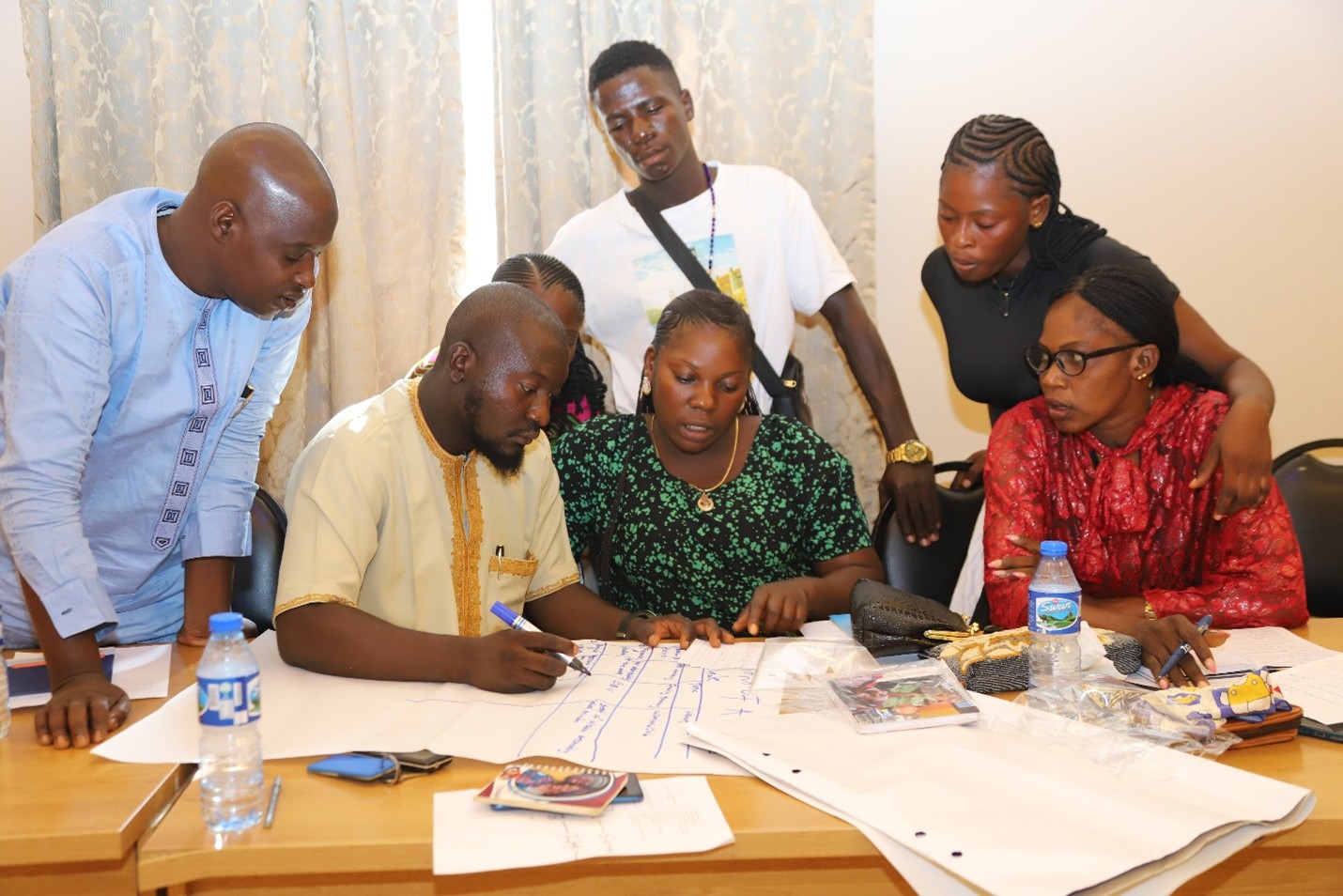
Community Advocates during the Transformative Messaging Development Workshop in Benue State
Co-creative messaging development process
In the selected states, baseline research was conducted to identify existing norms that limit women’s and girls’ autonomy. One recurring theme was pressure from married partners to continue childbearing. More than 50% of women reported partner pressure to become pregnant. As one focus group discussion participant in Borno State shared: “When I say I don’t want another child, my husband will refuse and say it’s his right.”
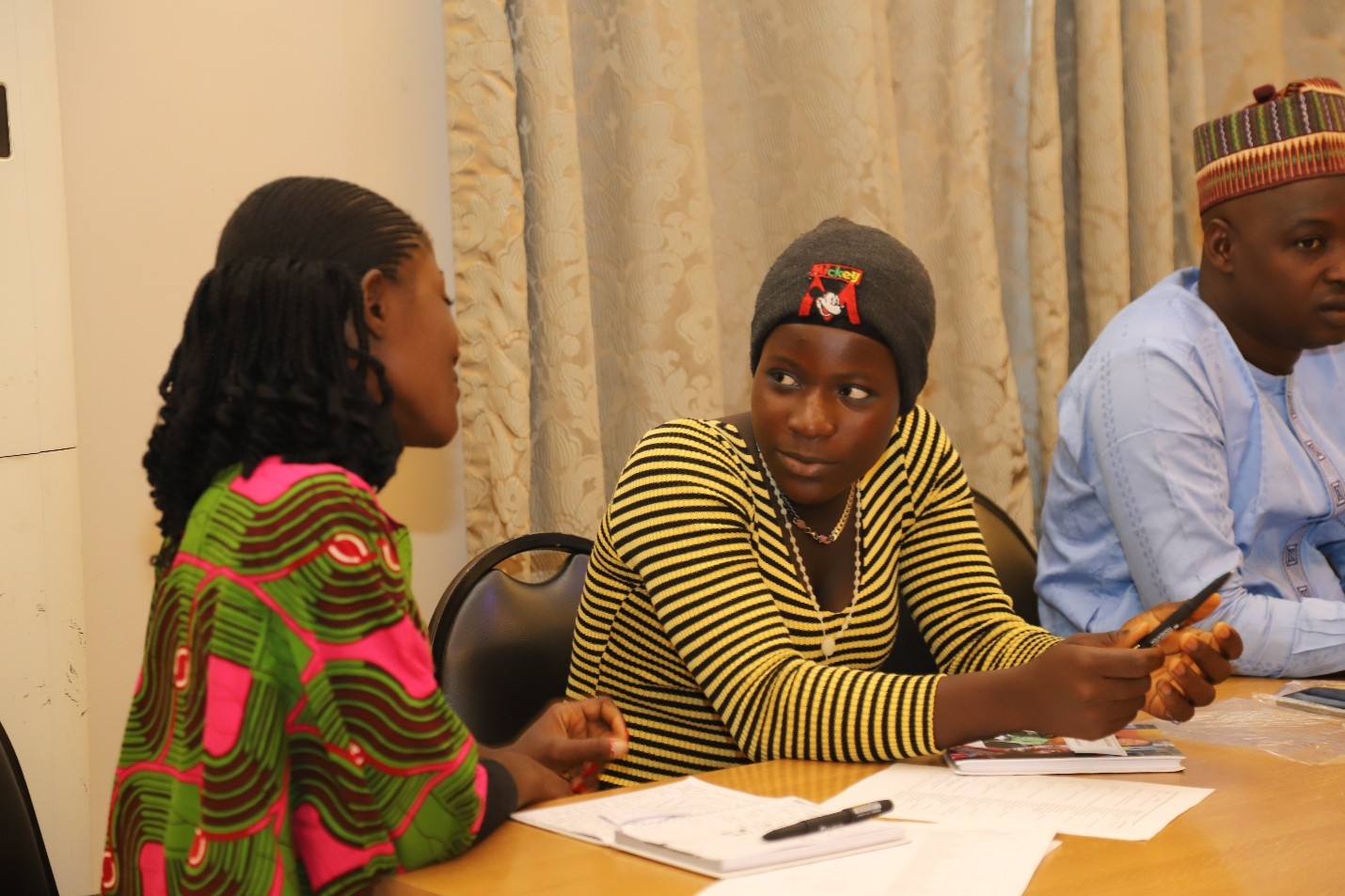
Using these findings, transformative messages were collaboratively developed and reviewed with selected community advocates who would engage different stakeholder groups. Role-play sessions helped advocates practice how to introduce the messages, respond to common concerns, and continue engagement even when barriers arose. Following the workshop, advocates developed action plans to guide how the messages would be rolled out and reinforced within their communities.
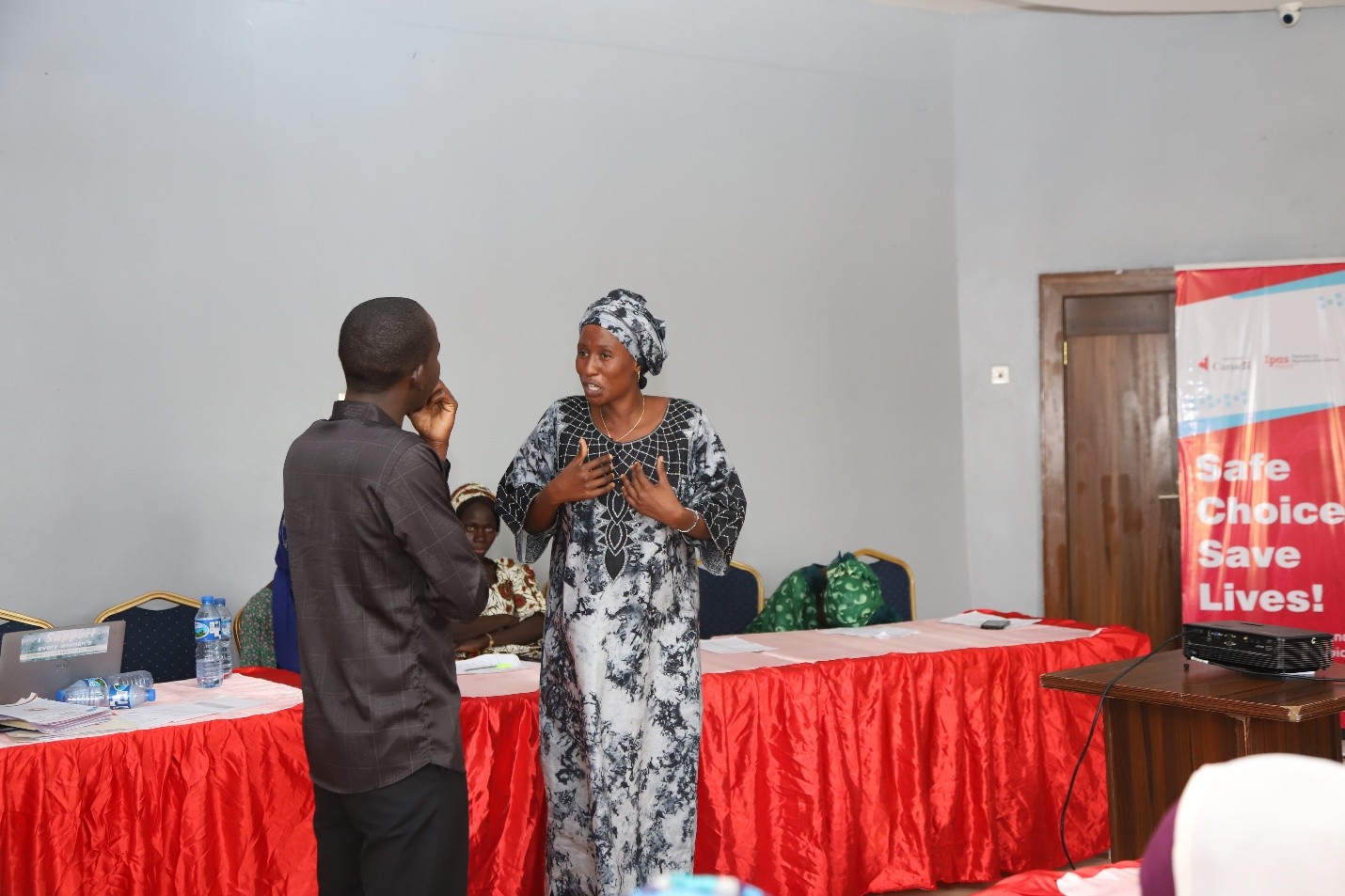
Role play session during the Transformative Messaging Development Workshop in Borno State.
Transforming communities for reproductive justice
With the transformative messages finalized, context-specific information, education, and communication (IEC) materials were produced to support community engagement. Guided by the advocates’ action plans, religious and traditional leaders and other stakeholders were engaged with messages aimed at shifting values that limit women and girls. Changes are emerging, including increased reporting of rape cases in the community. Agnes Fali, a resident of Chibok LGA, explained: “I understand that I have to speak when someone is raped and not keep quiet about it.”
These transformative messages help communities challenge harmful norms together. This helps women and girls to be better supported to make informed choices about their lives and health.