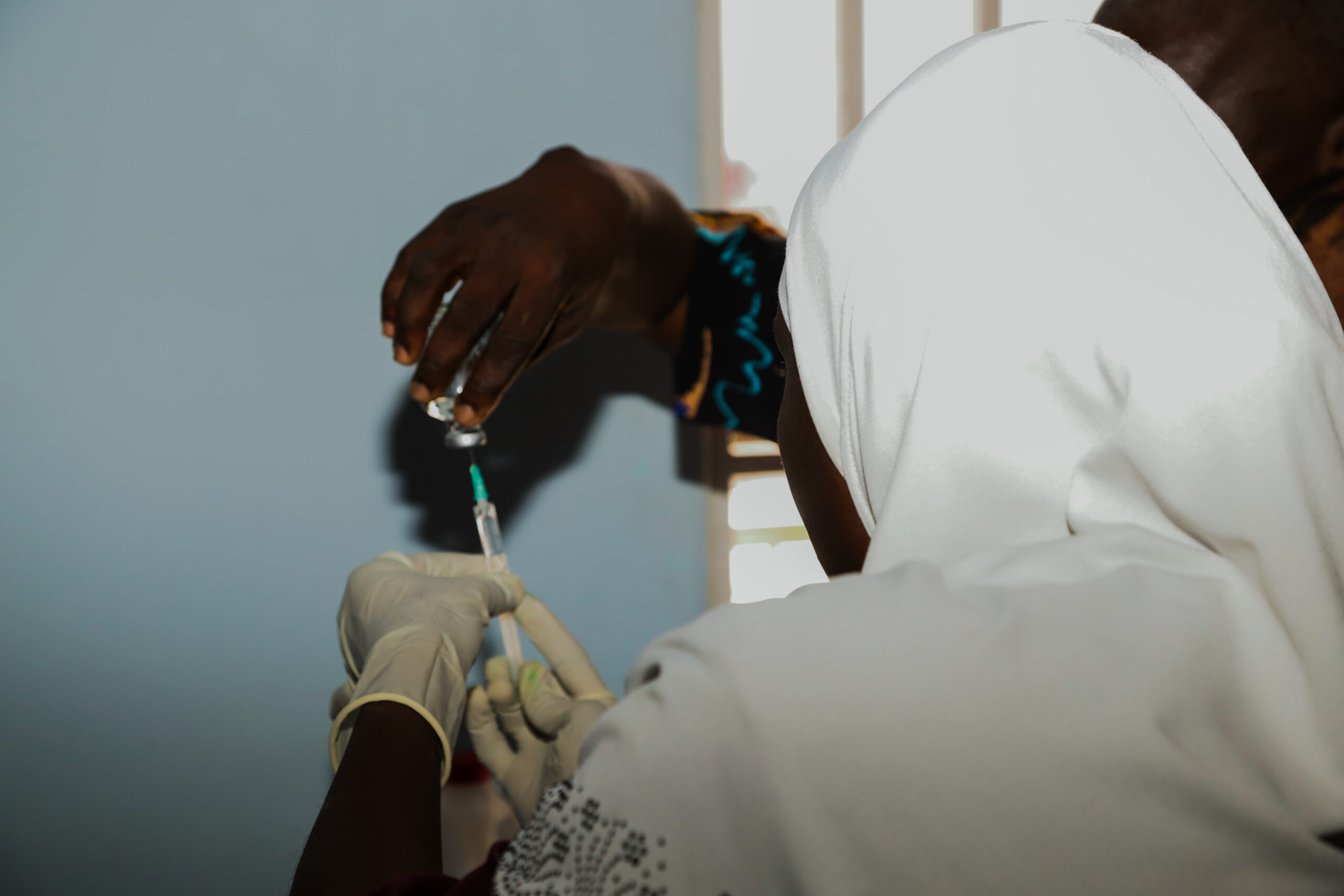
To enable women’s full and effective participation and decision making in public life, Ipas Nigeria Health Foundation has been working for the past 25 years to create a policy environment that ensures women and girls have access to reproductive justice, including abortion and contraception care.
In Nigeria, access to reproductive justice remains threatened with restrictive laws but to change this, we are working with existing systems in the State Ministries of Health, State Ministries of Justice, regulatory bodies, lawmakers, and civil society to ensure that policies that protect sexual and reproductive health are advocated for, developed and implemented.
Here are ways Ipas Nigeria is shaping the landscape for Reproductive Justice:
Advocating Against Increased Criminalization
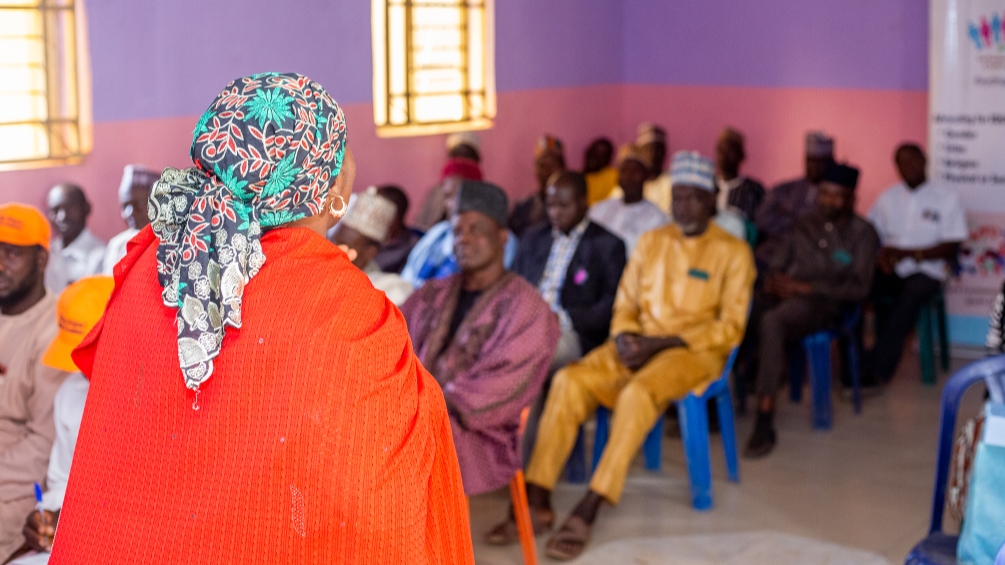
Ipas Nigeria engaged alongside civil society partners to advocate against the proposed amendments in the Criminal Code Amendment Bill 2025, which sought to increase the penalty for supplying drugs or instruments used to procure miscarriage for a woman from three years to ten years imprisonment, without the option of a fine. Drawing on evidence linking criminalization to unsafe abortion and preventable maternal mortality, emphasis was made that punitive law does not eliminate abortion but only drives it underground. This led to further the suspension of this amendment.
Supporting Rights for Survivors of Sexual Violence
Ipas Nigeria worked at the national level to institute a case at the Federal High Court of Nigeria to expand access to abortion care for survivors of rape and incest, as well as other forms of sexual violence. This led to a Federal High Court ruling affirming that unplanned pregnancies resulting from rape, incest and other forms of sexual violence is a violation of the rights of women and girls to physical and mental health. This decision clarified legal protection for survivors seeking abortion care under specific circumstances.
Supporting States to Develop Guidelines that Protect Reproductive Justice
Ipas Nigeria has worked with more than 10 states in Nigeria to develop state guidelines that protect reproductive health including the Safe Termination of Pregnancy for Legal Indications and the Standard and Guidelines for the Medical Management of Survivors of Gender Based Violence.
Strengthening Referral Pathways Across Health and Justice Systems
Ipas Nigeria works to bridge the gap to survivor-centered care by building the capacity of various actors, including Sexual Assault Referral Center (SARC) workers, welfare officers, and civil society organizations, to ensure survivors and women experiencing complications are not navigating isolated systems but can get the urgent care they need after they have been sexually abused.
Addressing Institutional Stigma Through Values Clarification
Ipas Nigeria works to limit stigma amongst policymakers by demystifying abortion and contraception care. Even where services are lawful, stigma can limit implementation. Through Values Clarification and Action Transformation (VCAT) sessions with government stakeholders and law enforcement agencies, Ipas Nigeria addresses bias at institutional levels, reducing stigma and promoting policies that protect reproductive justice.
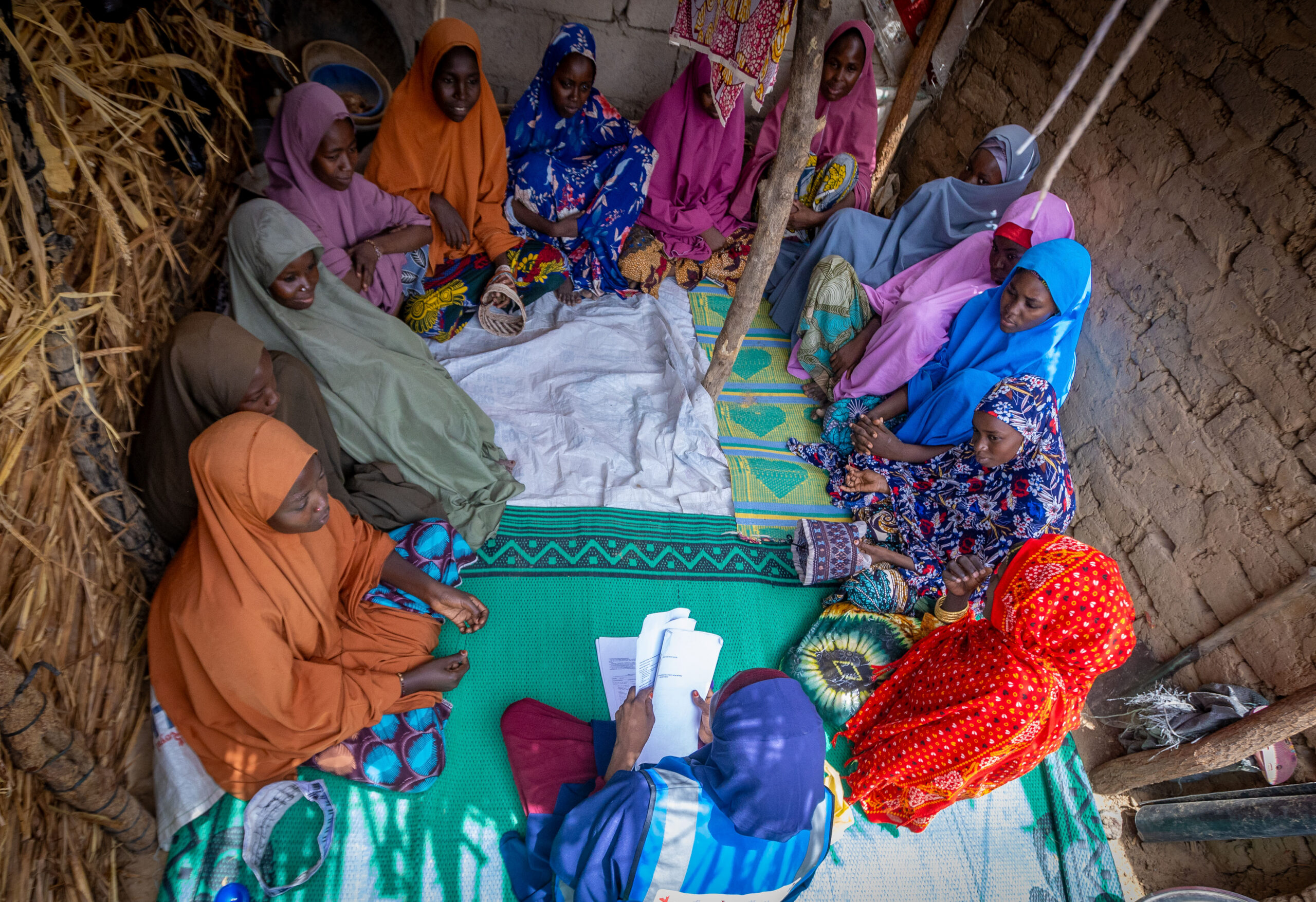
Nigeria’s reproductive health landscape is nowhere close to where it should be; however, it evolves. Ipas Nigeria remains positioned at the center of these developments — working within government institutions, strengthening health systems, and expand legal protections to ensure that reproductive justice is a lived reality for women and girls.