In Nigeria, societal stigma—reinforced by powerful institutions such as religion and tradition—continues to limit access to sexual and reproductive health services. Religious and traditional leaders play an outsized role in shaping community beliefs and the information people trust. When abortion and contraception are discussed only through moral or religious narratives, women and girls become discouraged from seeking safe, timely care.
These barriers have real consequences. When accurate information about contraception and safe abortion care is withheld or stigmatized, people are more likely to turn to unsafe options, contributing to preventable injuries and deaths, including maternal mortality.
By partnering with trusted religious and traditional leaders, we can shift community narratives, expand access to accurate information, and help prevent the harm caused by unsafe abortion.
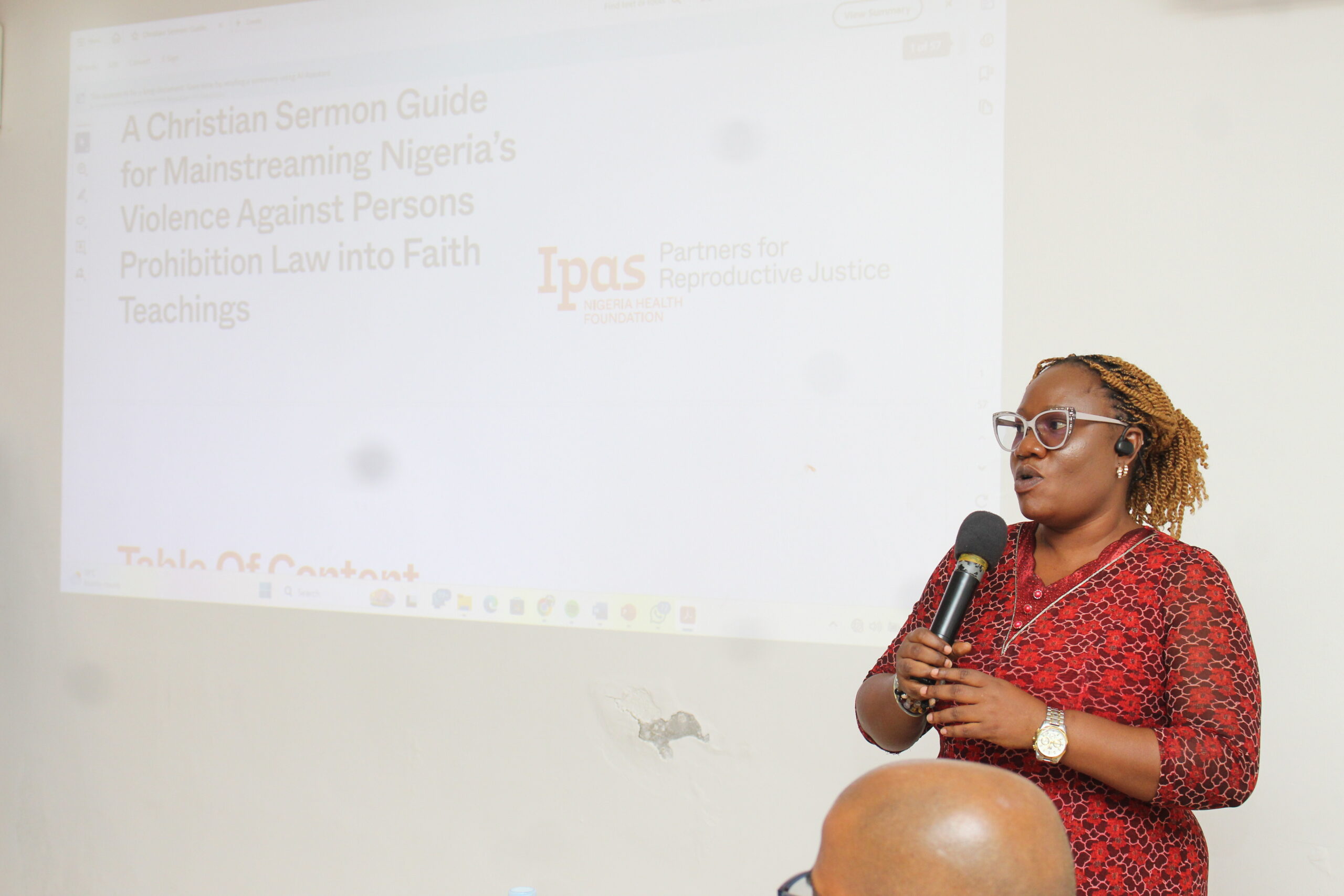
Uduak Nyaetok, Executive Director of MIHRE, makes a presentation on the Christian Sermon Note Guide
In Akwa Ibom State, Ipas Nigeria, together with the Milestone Initiative for Human Rights and Empowerment, is equipping religious and traditional leaders with practical tools to recognize and reduce stigma, including stigma that shapes responses to sexual violence and unsafe abortion. Using Ipas sermon note guide, participants strengthened their ability to share accurate, rights-affirming messages and to promote the Violence Against Persons (Prohibition) (VAPP) Law, which protects women and girls from rape and other forms of violence.
Laws that protect women should be promoted and publicized, so women are better protected from sexual violence.
— Francis (pseudonym), a Faith leader in Uyo
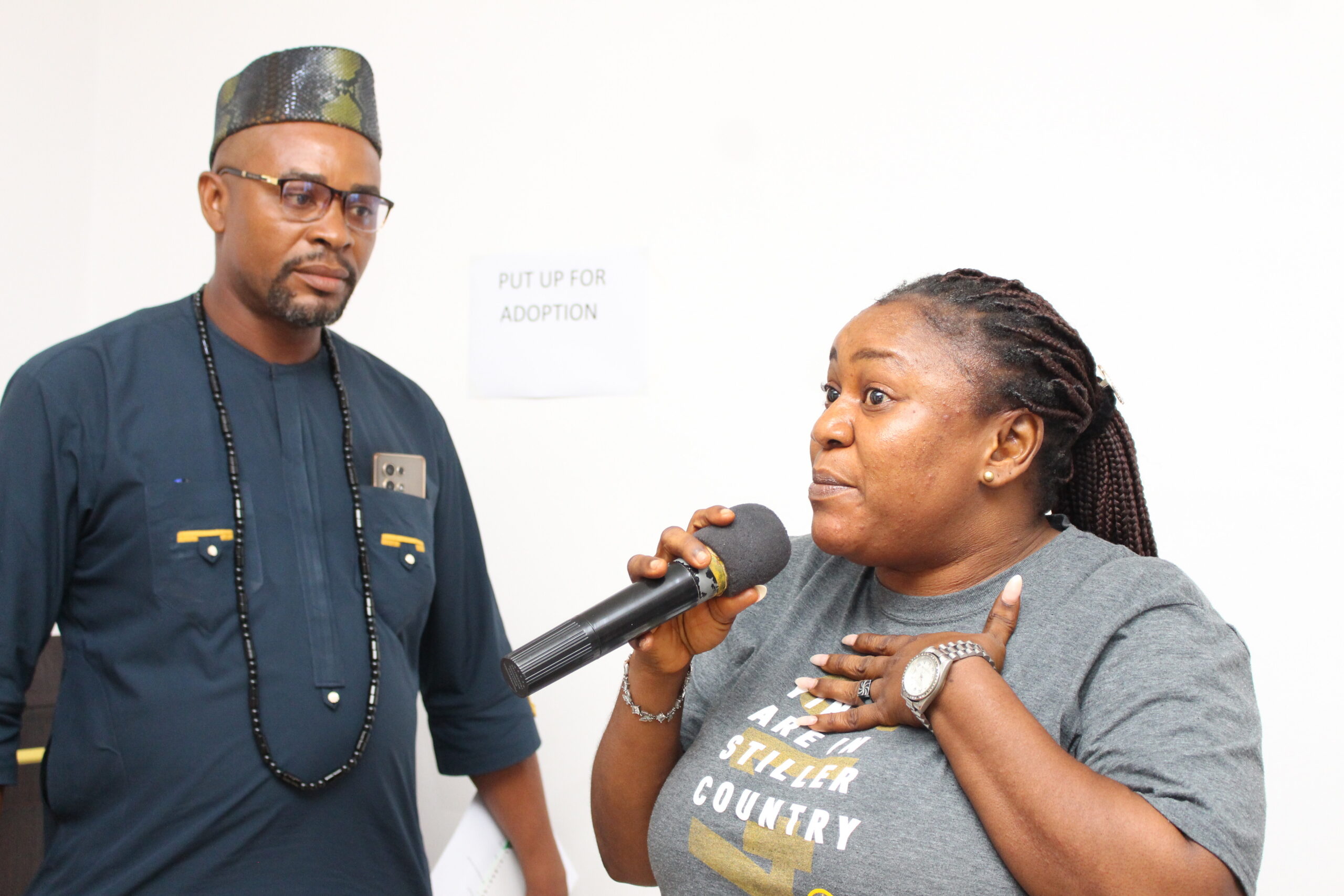
Participants engaging in conversations during VCAT at the Workshop
Participants also used Ipas’s Values Clarification and Attitude Transformation (VCAT) approach to examine how bias and stigma influence choices and care-seeking. Through guided discussion and reflection, leaders identified concrete ways to respond with compassion, share evidence-based information, and create safer pathways to services for women and girls.
We need to engage young people and give them the right information. There are so many experiences young people face because they do not have the information they need.
Chioma (Pseudonym), Youth Pastor , Uyo