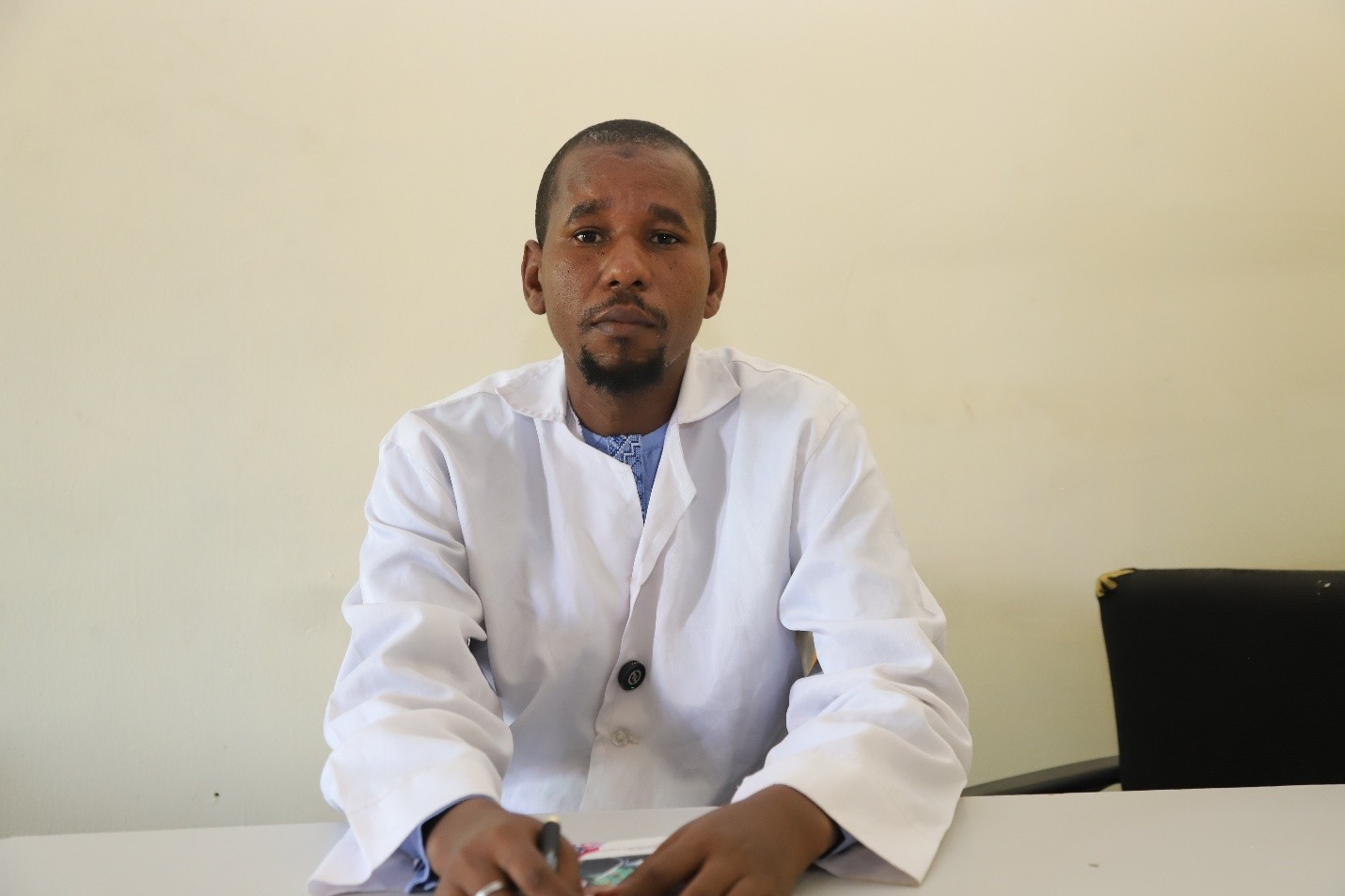
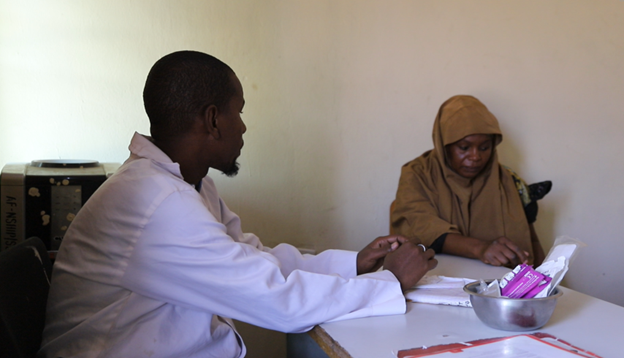
Isa Kyari has been a Community Health Extension Worker in Borno State for six years. With the humanitarian crisis in the State, he has seen firsthand how many displaced women, who live in poverty, visit the health care facilities to request for abortion and contraception care. But despite these experiences, he did not believe women should have these services when they ask for them and directed them without much thought of what happened next.
“I will ask her to go to someone else or ask if her husband knows she is here” he says.
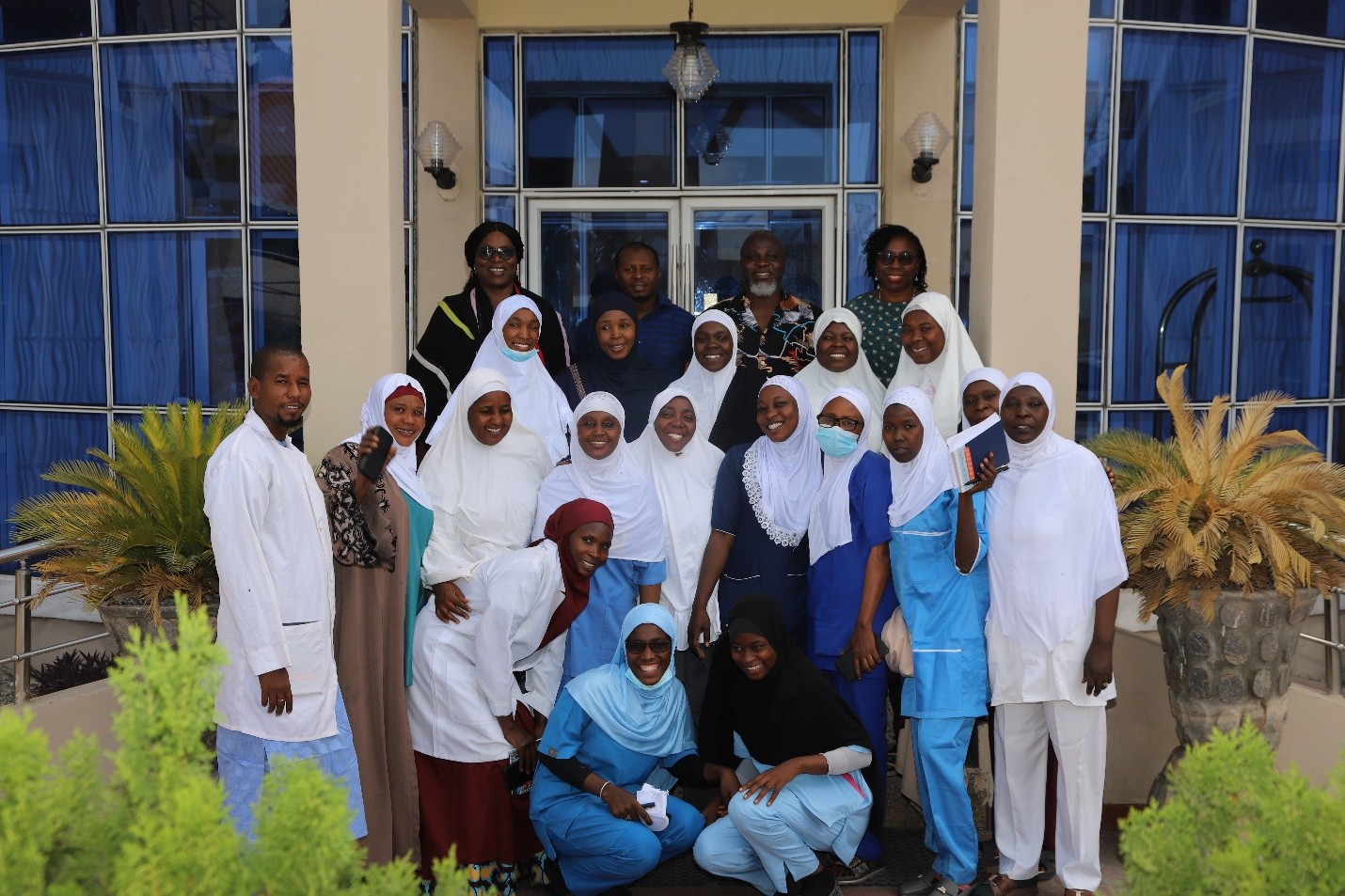
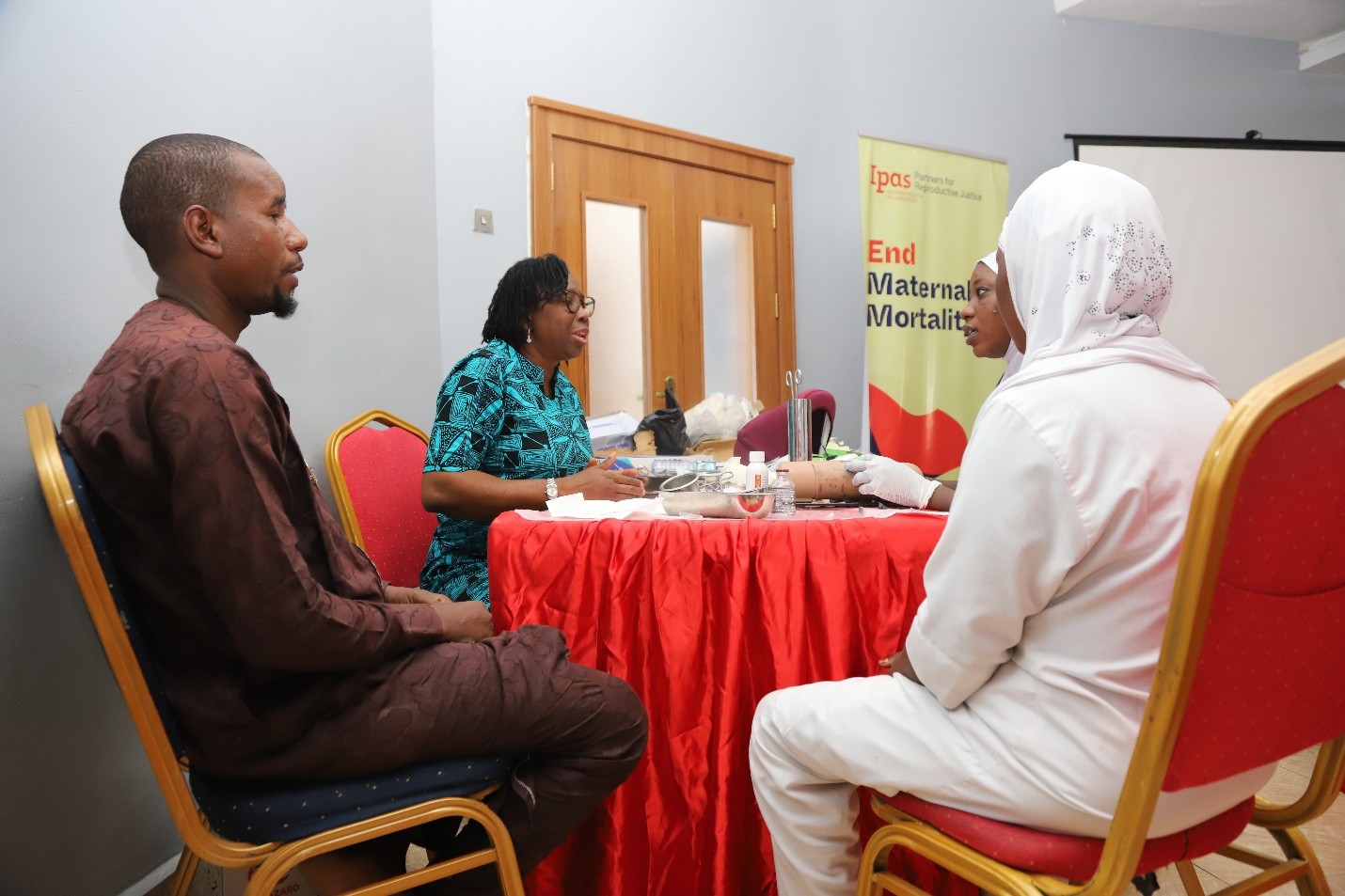
Under the Increasing Sexual and Reproductive Autonomy Among Women and Girls in Nigeria Project funded by Global Affairs Canada, Ipas Nigeria built the capacity of healthcare workers in Borno State to ensure quality delivery of Comprehensive Abortion Care and Contraceptive services in the State. The training also equipped healthcare workers to re-access their values in delivering safe care to women, particularly as they are front line workers in humanitarian settings where abortion and contraception services are highly needed.
As a result, the training session transformed health workers’ knowledge to deliver safe abortion and contraception care, as well as educated them on the how these essential care cost women their lives when left unattended or delivered by untrained clinical persons.
This helped Isa to recognize the damage of his actions to women’s health. As a result of religious beliefs, reproductive health has remained in uncomfortable territory for a good part of his clinical career. But the training helped him to reexamine this – ‘Before, I thought only bad women needed abortion or contraception, that was how I saw it. But now, I understand it very well.’
He now teaches others in his circle not to judge what is not clearly understood. “wadannan abubuwa” (these things), he says, “suna nan don su ba mu rayuwa mai kyau” (are here to give us a good life). Although, he’s still navigating his beliefs in delivering this essential care to women, but he can now perform the procedures correctly when needed, and where he is unable to, he now knows how to support by referring her to quality healthcare providers.
What Comes Next
The trained healthcare providers will pass their skills on through On-the-Job Training and mentorship as well as supervised practice within their own facilities. For Isa, educating other people with what he has learned about women’s reproductive health is also needed as he goes back to a community where women’s reproductive health is still spoken about in lowered voices, if at all.
In humanitarian settings like Borno, where access to care is already fragile, equipping healthcare providers like to provide stigma-free care and provide quality referral to women is essential to reduce deaths and injuries from unsafe abortion. With health providers like Isa, women will be certain to access safe abortion and contraceptive care therefore eliminating deaths from unsafe abortion.