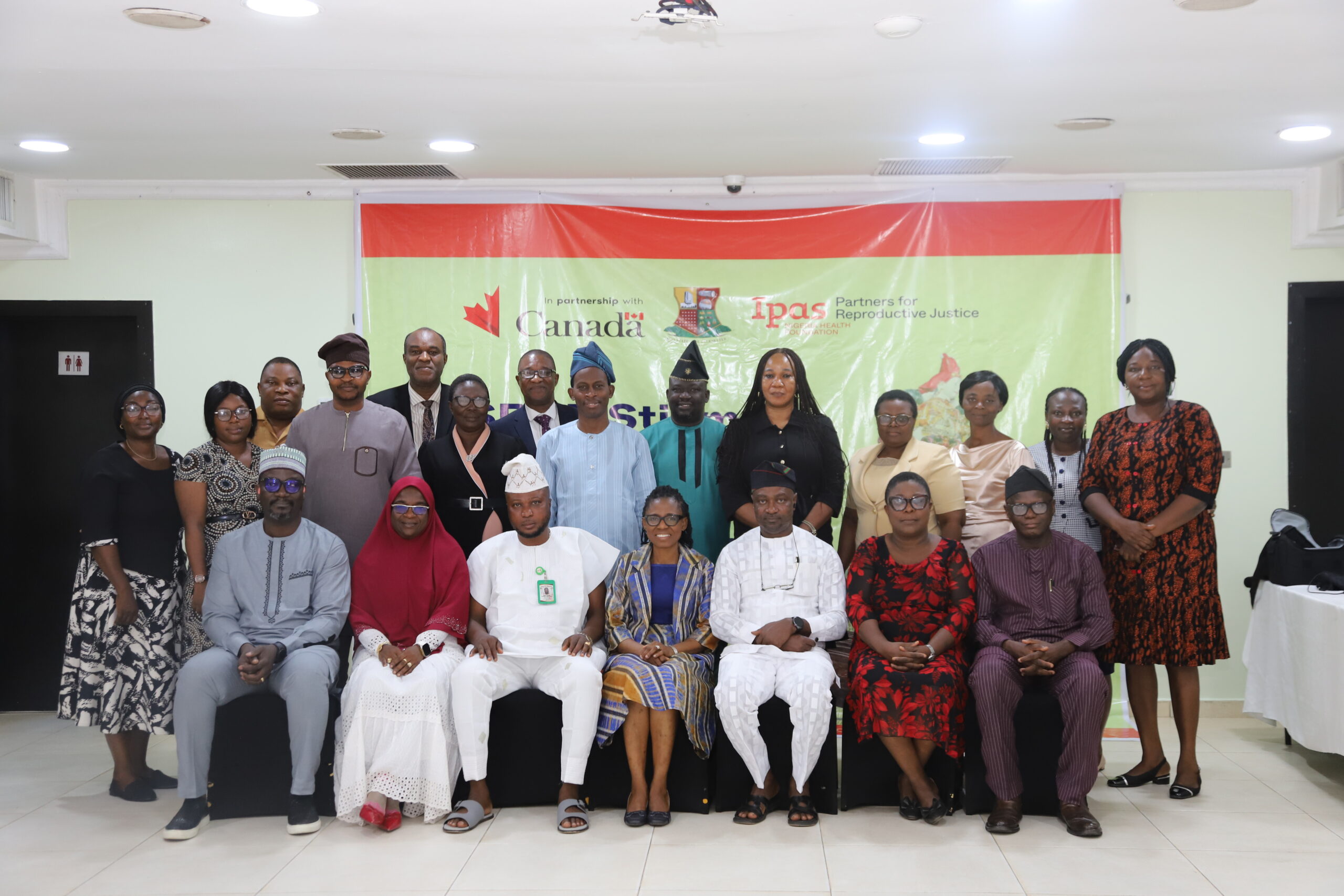
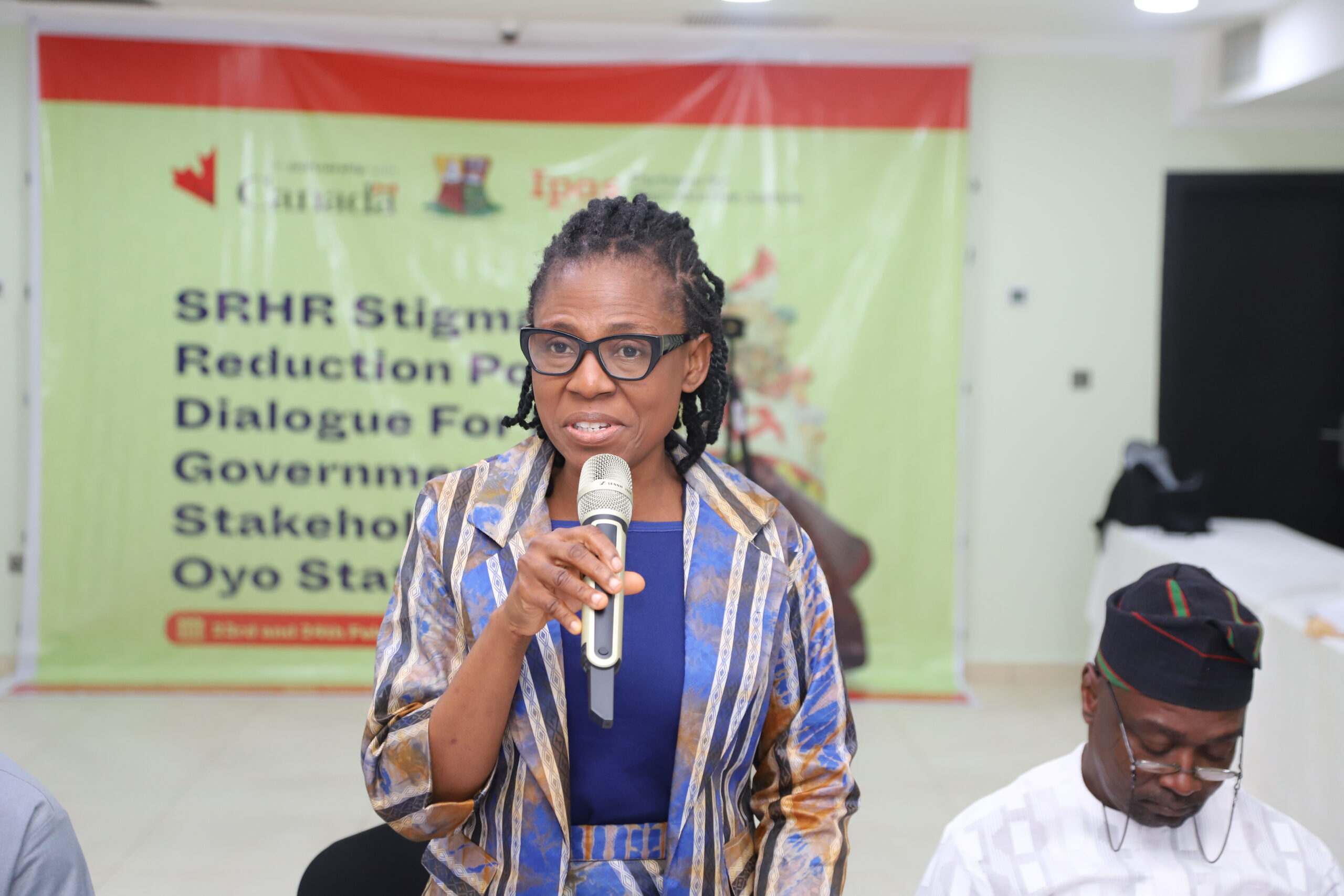
Dr. Oluwaserimi Adewumi Ajetunmobi, MBBS, MSc., FWACP, Honourable Commissioner for Health, Ministry of Health, Oyo State giving her remarks during the training session for Government Stakeholders in Oyo State.
Stigma around abortion in Nigeria is one of the most persistent barriers preventing women and girls from accessing timely sexual and reproductive health information and care—including contraception and safe abortion care. It can drive people to delay care, seek unsafe options, and suffer preventable complications. Addressing stigma is not only a community-level challenge; it also requires leadership from government institutions that shape policy, budgets, and public messaging.
To address this, Ipas Nigeria Health Foundation, funded by Global Affairs Canada, is working with government stakeholders in Benue and Oyo States to reduce abortion stigma and strengthen pathways to respectful, stigma-free sexual and reproductive healthcare.
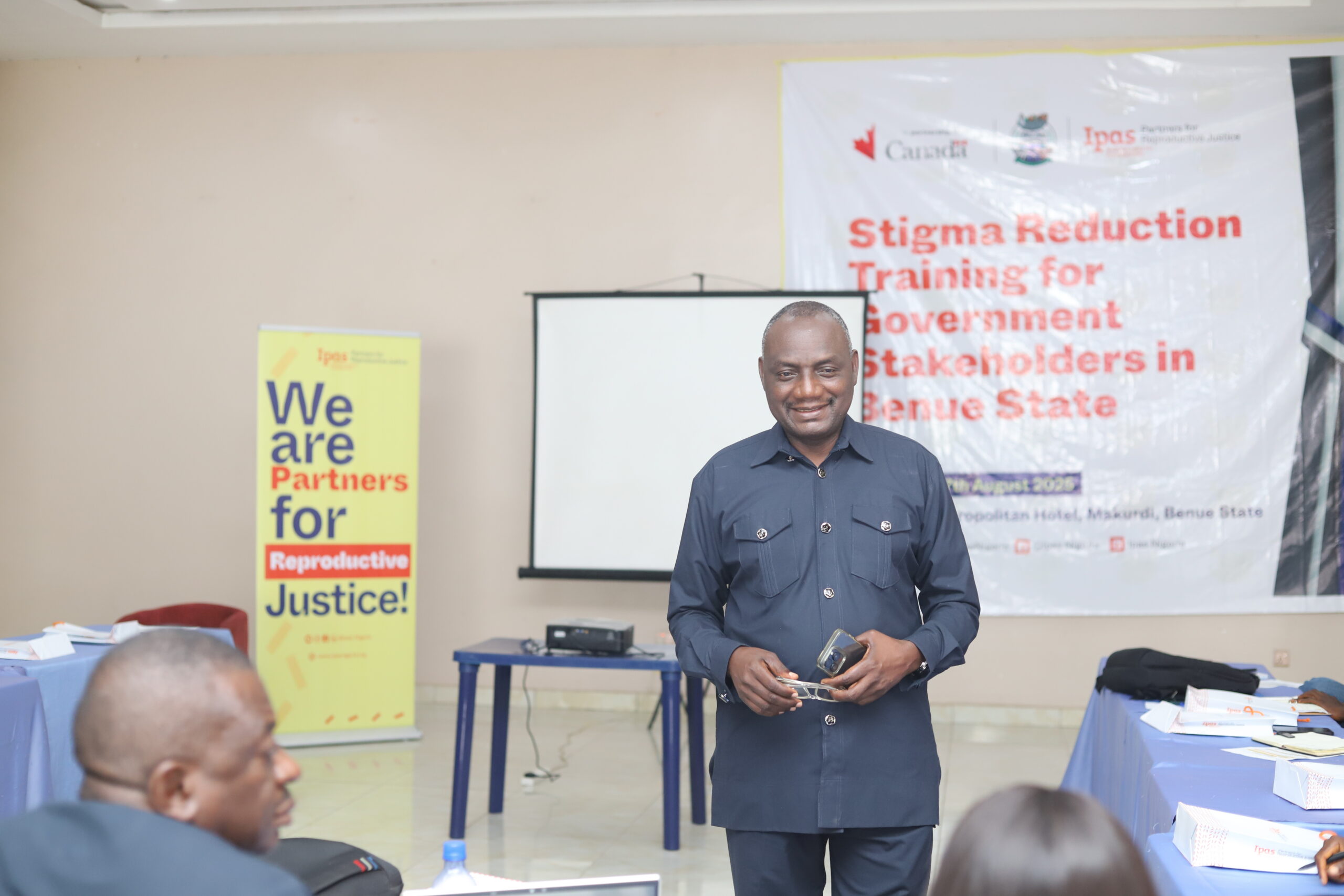
Prof Patrick Daru facilitating a session during the Government Stakeholders’ training in Benue State.
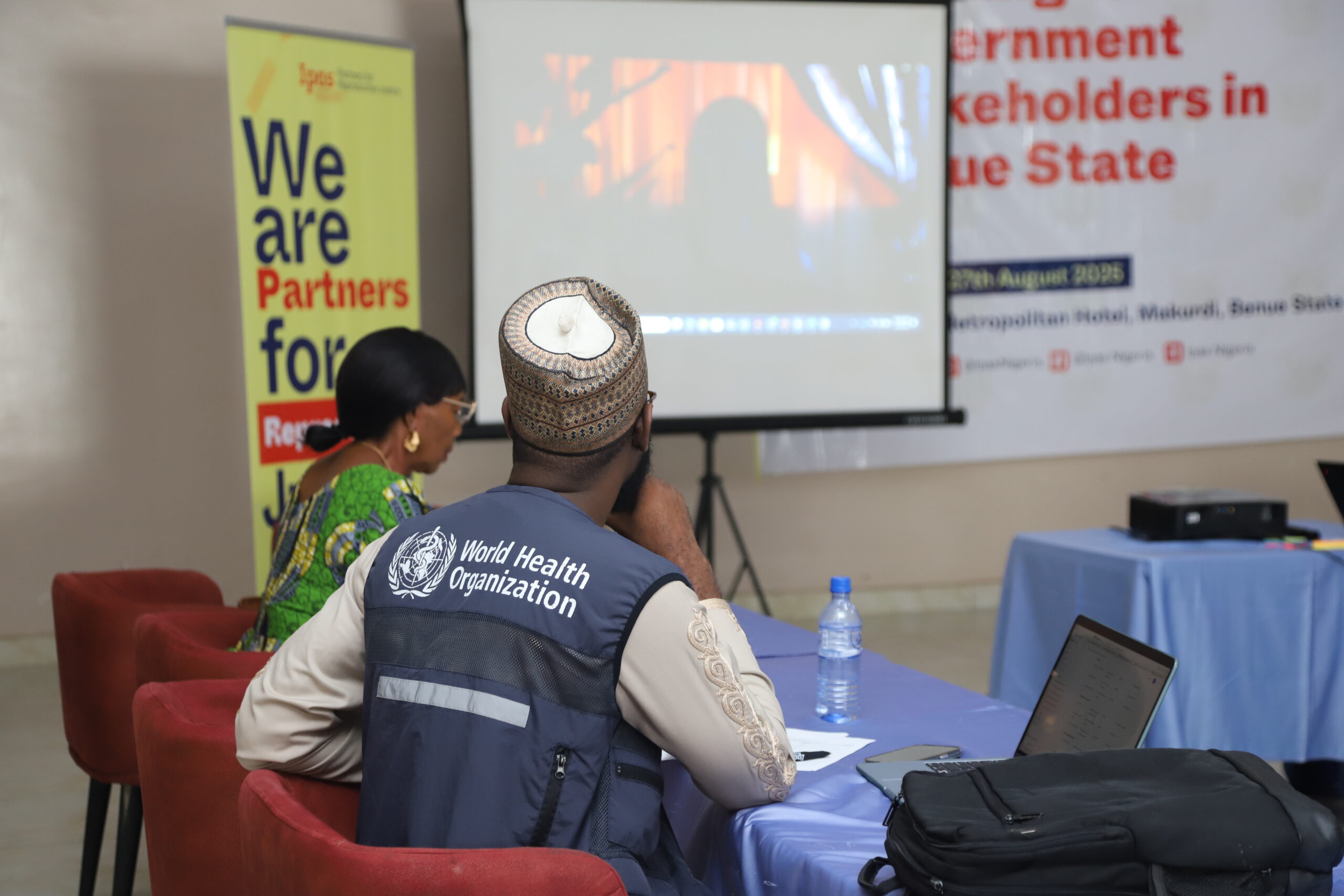
Training sessions were held with targeted stakeholders in the States, including Ministry of Women Affairs and Social Inclusion, the Ministry of Health and Social Welfare, the Ministry of Justice, Ministry of Budget and Economic Planning. Through facilitated dialogue sessions, participants examined how stigma shows up in institutions and communities, and how it affects health outcomes. During the training sessions, the Values Clarification for Action Transformation approach enabled decision makers to gain clarity on the realities of abortion access, the impact of health system, as well as practical policy and system changes that can improve stigma-free care for women and girls.
The training has been beneficial and has raised awareness on the rate of maternal mortality in Nigeria, said Hon (Pharm) Sir, Dugeri, Benue State
To reduce stigma against accessing abortion services, it would be good to initiate a stigma reduction policy, as it is done for Tuberculosis presently. We need to let people know that this type of stigma has led women to their untimely death, and it is not good.
By the end of the engagement, the majority of the participants affirmed that abortion can be a necessary intervention to protect life and support future aspirations. Stakeholders also emphasized that stigma reduction must extend beyond clinical spaces to the broader community ecosystem.
There is a need for external stakeholders like religious leaders… Many people die and suffer because of shame and what a pastor may have said would happen to them.” – Dr. Oluwaserimi Adewumi Ajetunmobi, MBBS, MSc., FWACP, Honourable Commissioner for Health, Ministry of Health and Social Welfare, Oyo State

Dr Lucky Palmer, Ipas Nigeria’s Country Director, providing clarifying responses at the VCAT session during the Government Stakeholders’ training in Benue State.
Institutional policies for change
The engagement also catalyzed concrete commitments to strengthen stigma-free systems and services. In Benue State, stakeholders discussed the urgency of responding to sexual violence—including in schools, IDP camps, and homes—and the need to ensure sexual assault referral centers have dedicated budgets to deliver survivor-centered care.
We are working with the Federal Ministry of Women Affairs, however, we see it more as our because when a girl is raped, and she is not properly attended to, she may struggle with infertility in the future. We will also have a desk officer responsible for making sure that they get funding without hindrances. I will be working to make sure that these types of issues are handled – Mrs Esther Menger JP – Director Public Health, Ministry of Health Benue State
Igniting collaborations and partnerships
Across the sessions, government actors and partners reflected on how coordinated action across family planning, safe abortion care, and post-abortion care can accelerate progress on maternal mortality reduction. Partners such as MSI Reproductive Choices highlighted how a clearer understanding of laws, simplified policy information, and stronger referral pathways can help connect communities to services and reduce preventable deaths.
This has been very enlightening, especially the data that is being shared today. I learned that 30% of maternal deaths are contributed by unsafe abortion. Also, I saw the need that policies should determine the culture, eg, the conversation about access to family planning and unsafe abortion services in Nigeria needs to be cascaded to the grass root levels as well. MSI reproductive choices is focused on delivering family planning, but I now see that this also ties to reducing unsafe abortions and maternal mortality as well’ – Ese Iduku, MSI Reproductive Choices, Benue State
Stigma reduction is a high-leverage investment. When government leaders shift attitudes and adopt practical policy and budget actions, they improve healthcare environments and help ensure women and girls can access stigma free abortion and contraception services without fear or shame.